Forward Bend

Seated Forward Bend
Paschimottanasana

the 12 Basic asanas

Forward Bend

Seated Forward Bend: A meditative seated stretch that lengthens the back of the body, calms the nervous system, and teaches effort with relaxation.

Forward Bend (Paschimottanasana) is a quiet, inward-turning posture that stretches the whole back of the body, from the heels through the legs, spine, neck, and head. It is especially helpful for releasing tightness in the back body, lengthening the hamstrings, and encouraging the spine to relax forward with gravity.

This posture can also be deeply meditative. Rather than forcing the body down, the practice invites a balance of steady alignment, rhythmic breathing, and conscious relaxation. The aim is not to pull aggressively, but to lengthen gradually, keeping awareness in the body and allowing the breath to soften the stretch.

The key to the pose is correct alignment. Keep the legs straight, draw the toes back toward the body, and bend from the hips and lower back rather than rounding heavily through the upper back. Progress comes gradually as the hamstrings lengthen and the pelvis becomes freer to tilt forward.

After practising Forward Bend, practise Inclined Plane as the counterpose, then rest in Corpse Pose with deep abdominal breathing.

Contents

Benefits of Paschimottanasana

Stretches the back of the body from toes to neck

Lengthens the hamstrings and lower back muscles

Helps relax the muscles of the back

Supports better postural alignment

Places gentle pressure on the abdomen

Massages the liver, kidneys, and pancreas

Helps alleviate constipation

Calms and soothes the nervous system

Video Inspiration – Seated Forward Bend & Inclined Plane

Sitting Forward Bend – Beginners

Lie on your back

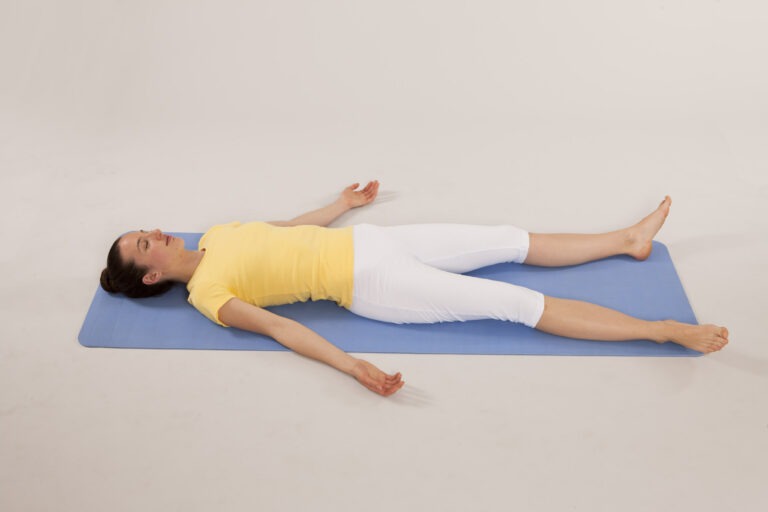
Corpse Pose

Lie stretched out on your back with your palms face down on your thighs and your legs together. Relax your feet.
  • Keep the legs together
  • Make sure the feet are relaxed

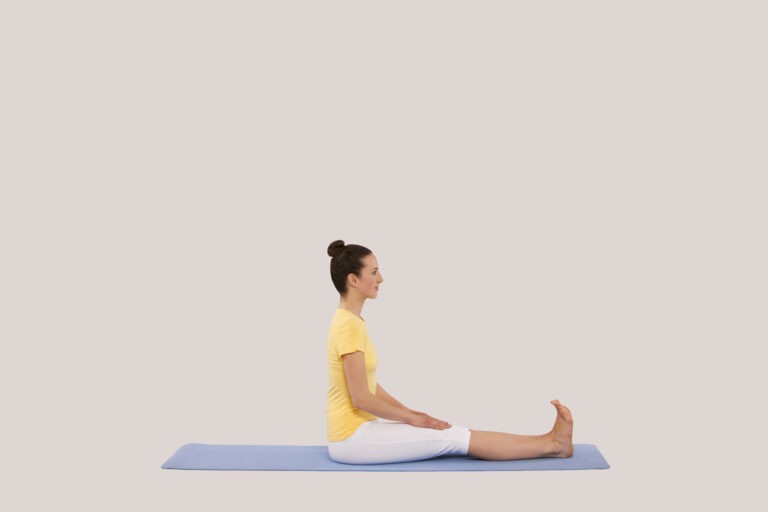
Sit up

Step 2 of Forward Bend

On an inhalation, sit up straight with your legs stretched out in front of you. Keep your head, neck, and back in a straight line.
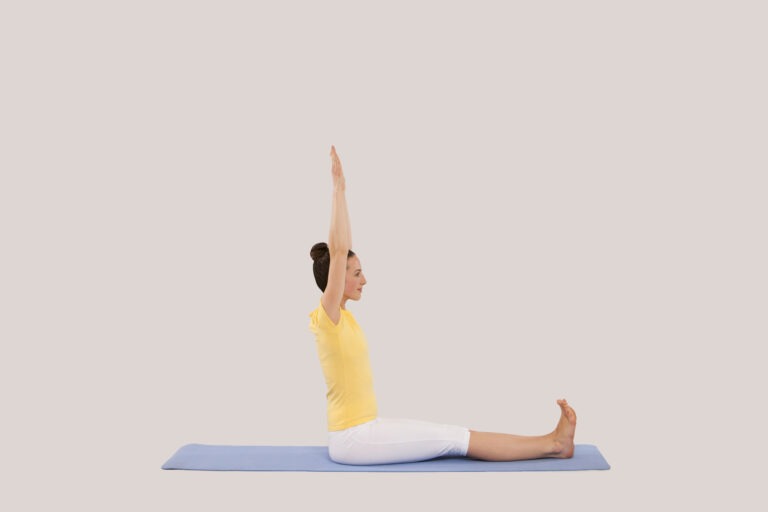
  • Keep the back straight
  • Point the toes towards the knees

Stretch your arms up

Step 3 of Forward Bend

On another inhalation, raise both arms straight up, stretching them as high as possible.
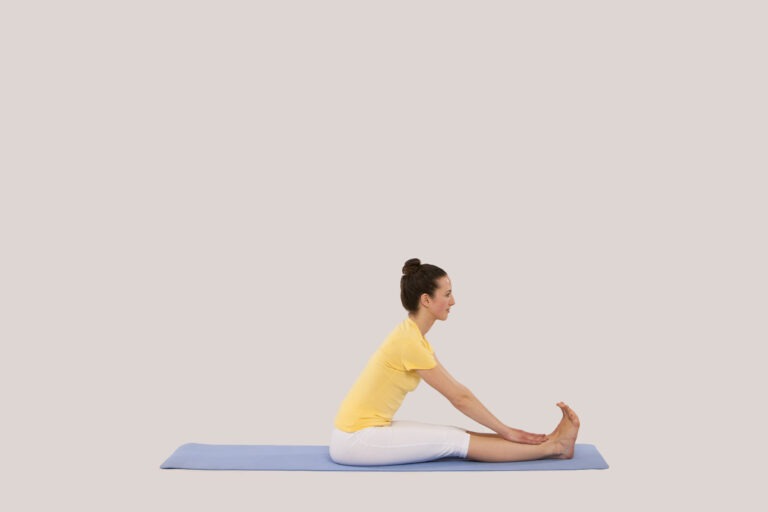
  • Align the arms with the ears

Bend forwards

Beginner Forward Bend

Exhale and bend forwards from the hips. Try to reach your calves or ankles with your hands.

Repeat 3-4 times, each time holding the pose for a few breaths more. Continue with Step 5 or come back up on an inhalation.
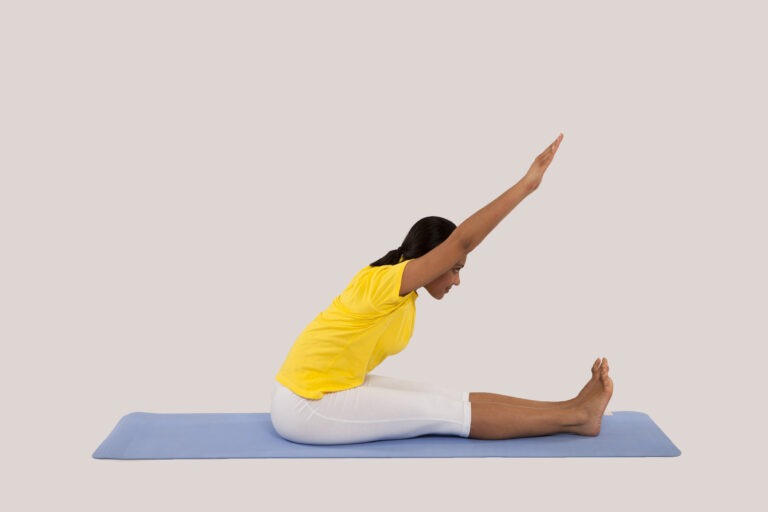
  • Keep the upper back straight
  • Point the toes towards the knees

Sitting Forward Bend – Intermediate and Advanced

Progress in Forward Bend depends on how much you can lengthen the hamstring muscles at the back of your legs, which then allows the pelvis to tilt forwards at the hip joint.

Reach for your toes

Step 4 in Forward Bend

Starting from Forward Bend Step 4, if your hands reach your feet, take hold of your big toe in the Classical Foothold.
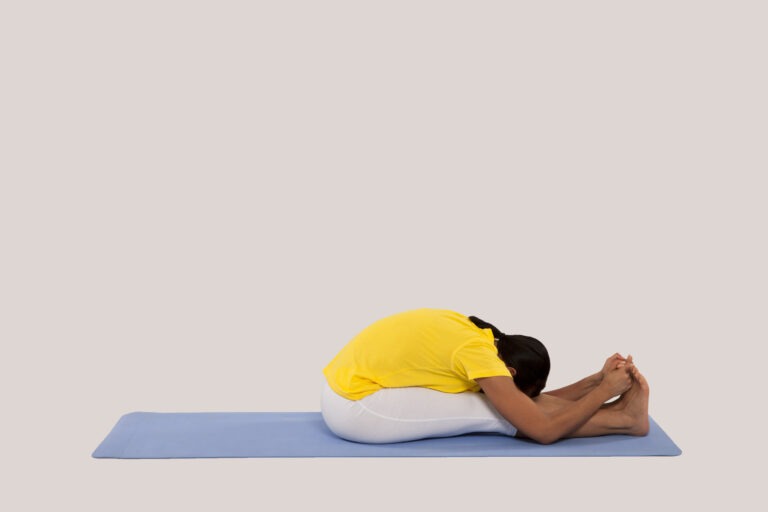
  • Keep the back, neck, and head aligned
  • Bend from the hips and lower back
  • Keep the arms straight

Stretch forwards

Sitting Forward Bend

On an exhalation, stretch your spine further forwards. Bend your elbows to help you stretch your spine. Repeat 3-4 times, each time holding the pose for a few breaths more. Continue with Step 7 or come back up on an inhalation.

  • Keep the back, neck, and head aligned
  • Actively pull the toes towards the head

Advanced pose

Sitting Forward Bend

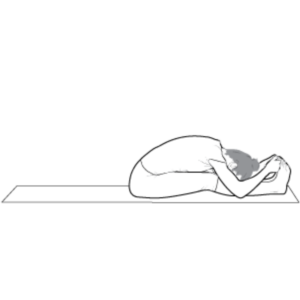
If you are able to stretch forwards, come into the full pose. On an exhalation, bend farther forwards until your elbows touch the mat and your forehead is resting on your legs.

Hold for 1–5 minutes, then come back up on an inhalation.

Next, practise Inclined Plane (below), then relax with deep abdominal breathing for 1–2 minutes in Corpse Pose.
  • Rest the abdomen on the thighs
  • Rest the chest on the knees
  • Rest the head between the shins

Inclined Plane – All Levels

Inclined Plane is practised after Forward Bend to counterbalance the forward stretch. It strengthens the arms, legs, and back, while opening the front of the body.

Drop your head back

Step 1 of Inclined Plane

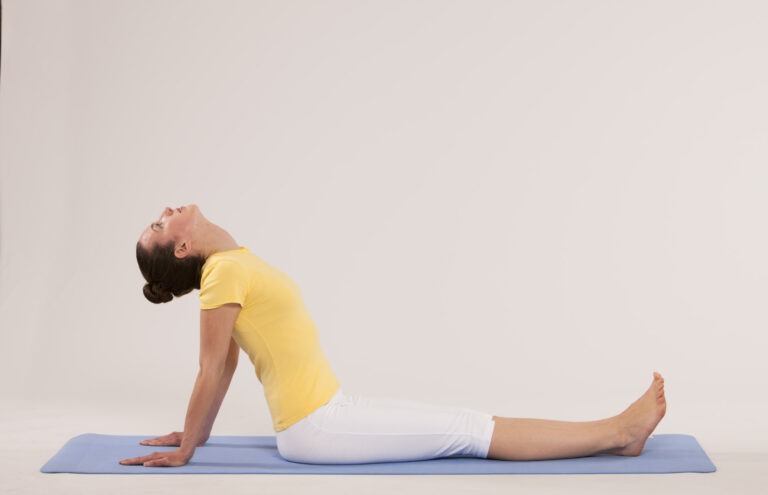
Sit with your legs stretched straight in front of you and place your hands about 30cm (12in) behind you on the mat. Drop your head backwards, keeping your neck and throat relaxed. Rest on your hands.
  • Keep the arms straight
  • Point the fingers away from the body
  • Open the chest
  • Relax the legs and feet

Lift your hips

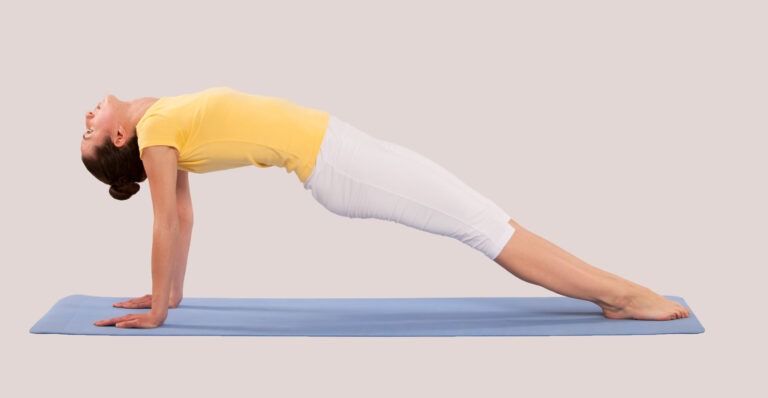
Inclined Plane

Inhale and lift your hips as high as possible. Hold your breath as you gently push your feet into the floor. Exhale and return to Step 1. Repeat twice more. Once you are accustomed to the pose, try to hold it, breathing rhythmically, for up to 30 seconds. Come down by bringing your hips back to the floor.
  • Keep the hands, arms, and shoulders in vertical alignment
  • Relax the neck
  • Keep the knees straight

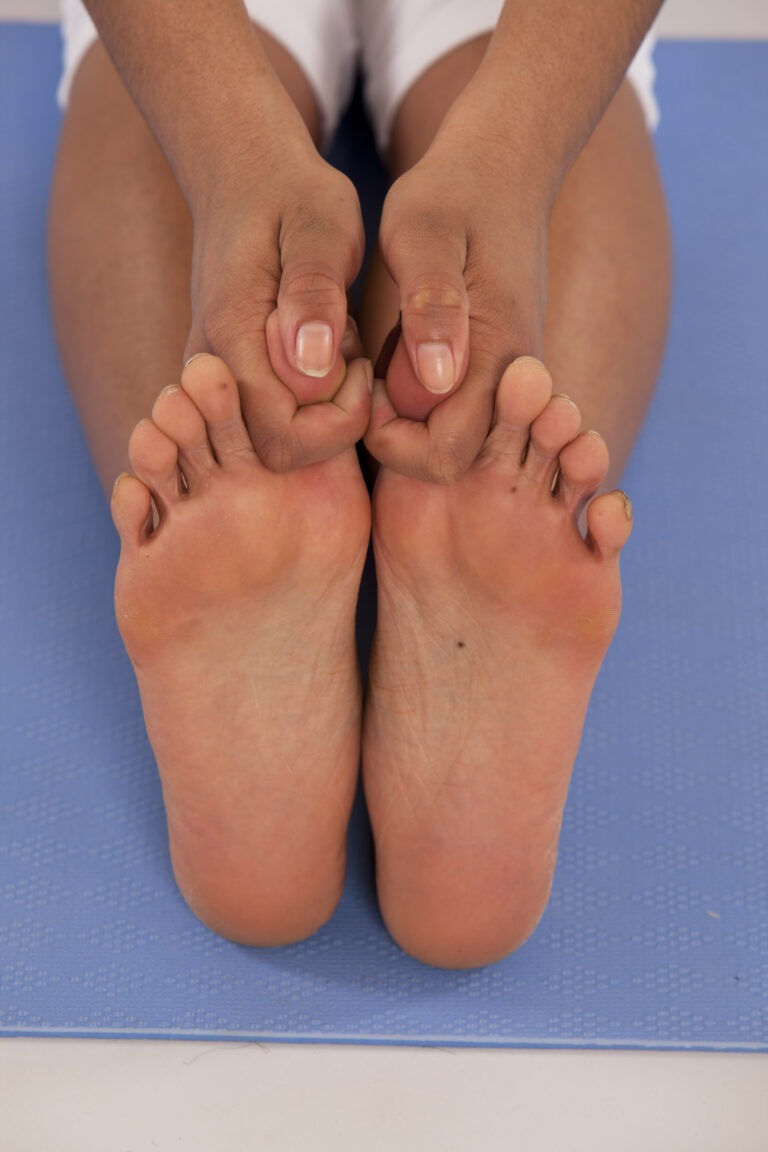
The Classical Foothold

Wrap your index finger around your big toe and place your thumb on top of your toe. Point your other toes towards your knees. Keep the other three fingers curled into your palm.

Foothold in Sitting Forward Bend

Recommended Reading

This site is registered on wpml.org as a development site. Switch to a production site key to remove this banner.