Meditación con mantras

Meditación con mantras

La meditación con mantras, o japa, es una poderosa práctica yóguica centrada en la repetición de sonidos o sílabas sagradas. Estos mantras, a menudo en sánscrito, están imbuidos de energía espiritual y están diseñados para aquietar la mente, trascender las limitaciones y despertar una conciencia superior.

Al concentrarse en la esencia vibratoria de un mantra, los practicantes armonizan sus estados mentales y emocionales, fomentando la claridad y la paz interior. La práctica regular puede purificar la mente, disolver patrones de pensamiento negativos y suscitar profundas revelaciones espirituales.

Esta antigua tradición ofrece un camino directo hacia la meditación y la autorrealización, armonizando el cuerpo, la mente y el alma en la búsqueda de la conciencia divina.

Contenido

Ejemplos de mantras para la meditación

Elige un mantra que resuene con tu inclinación personal, tus metas espirituales o la energía que deseas cultivar, asegurándote de que se sienta natural y edificante, ya que sus vibraciones armonizarán tu mente y guiarán tu viaje meditativo.

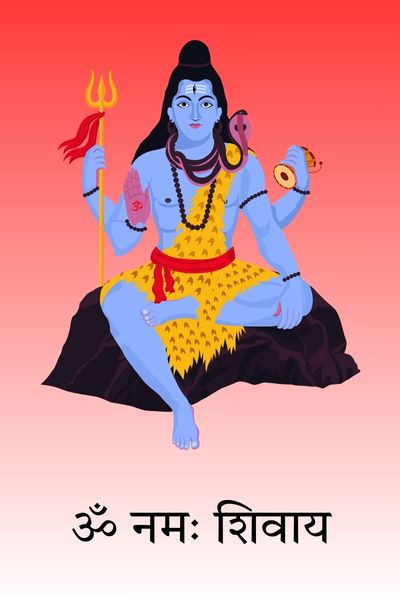
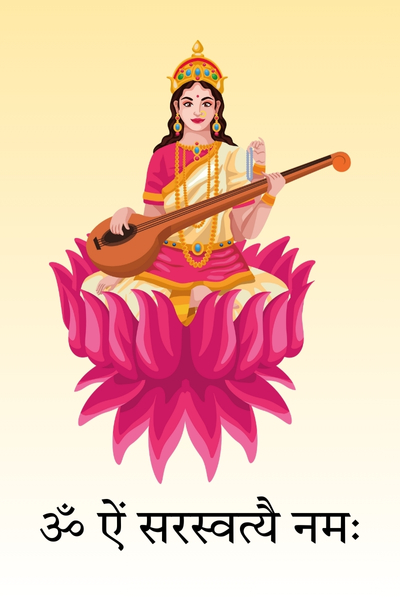
A continuación, encontrarás algunos ejemplos de mantras comúnmente utilizados en la meditación, cada uno portador de una profunda energía vibratoria y de un gran significado espiritual:

Meditación con mantras en 12 pasos

Sigue estos pasos para practicar la meditación con mantras de manera eficaz:

1

Elige tu mantra

Selecciona un mantra que resuene contigo.

2

Crea un entorno cómodo

Busca un espacio tranquilo donde no te molesten. Siéntate cómodamente con las piernas cruzadas o en una silla, manteniendo la columna erguida.

3

Prepárate mental y físicamente

Cierra suavemente los ojos. Respira profundamente unas cuantas veces para relajar el cuerpo y calmar la mente.

4

Concéntrate en la postura

Mantén la espalda recta y el cuerpo relajado. Apoya las manos sobre las rodillas o en el regazo, con las palmas hacia arriba.

5

Comienza a recitar el mantra

Recita el mantra en voz alta (Vaikhari Japa), en un susurro (Upamsu Japa) o silenciosamente en tu mente (Manasika Japa). Concéntrate en el sonido, el ritmo y la vibración del mantra.

6

Coordínalo con la respiración

Alinea el mantra con tu respiración natural. Por ejemplo, inhala repitiendo mentalmente el mantra «OM» y exhala prolongando el sonido de la «M».

7

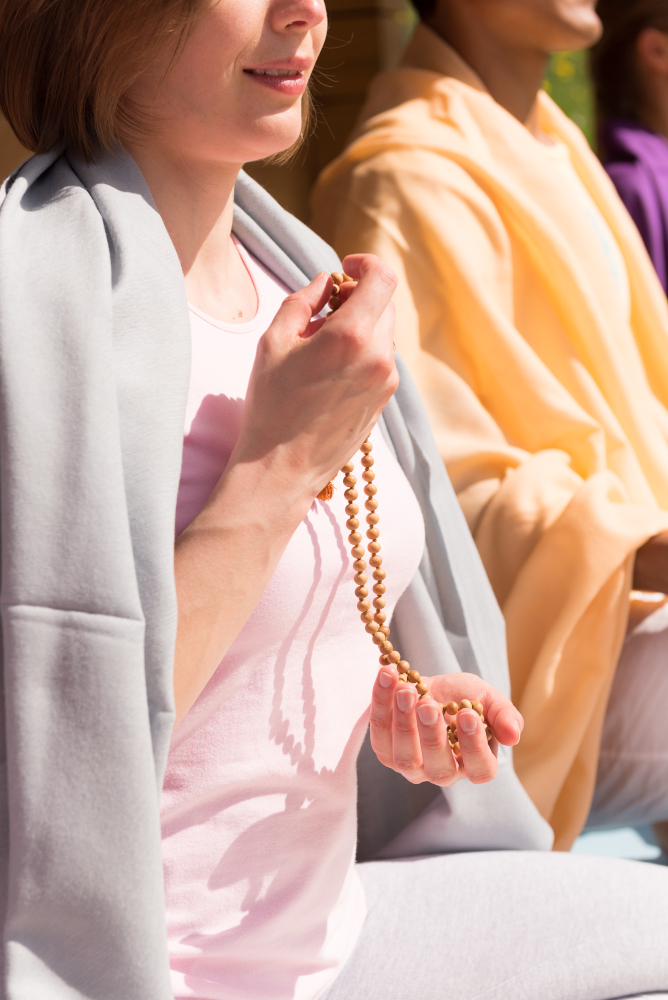
Use a Japa Mala (rosary) (optional)

If using a mala (108 beads), gently roll one bead for each repetition of the mantra. Avoid crossing the large bead (Meru); instead, reverse direction when you reach it.

8

Visualize the mantra's energy

Visualize the vibration of the mantra radiating light or energy, cleansing and uplifting your consciousness. If using a deity mantra, imagine the deity’s form or presence in your heart or mind.

9

Refocus when distracted

If your mind wanders, gently bring it back to the mantra. Avoid frustration; distractions are part of the practice.

10

Conclude mindfully

After 10–20 minutes (or as long as feels comfortable), slowly reduce the chanting. Sit quietly for a few moments, letting the vibration of the mantra settle in your consciousness.

11

Carry the practice into daily life

Repeat the mantra mentally throughout the day, during moments of stillness or stress. Allow its energy to influence your actions and thoughts.

12

Be consistent

Practice daily, preferably at the same time and place, to establish a routine. Gradually increase the duration as you grow more comfortable.

This systematic approach fosters concentration, harmonizes the mind, and brings inner peace through the transformative power of sound.

Benefits of Mantra Meditation

The benefits of mantra meditation are profound, impacting physical, mental, emotional, and spiritual well-being. Here are the key benefits:

Mental clarity and focus

  • Steadies the wandering mind, promoting one-pointed concentration and mindfulness.
  • Helps quiet mental chatter, creating space for inner peace and clear thinking.

Stress reduction

  • Calms the nervous system through rhythmic repetition, reducing anxiety and promoting relaxation.
  • Synchronization with breathing soothes the mind and body.

Emotional balance

  • Dissolves negative thought patterns, replacing them with positive energy.
  • Reduces feelings of anger, fear, and greed, fostering emotional stability.

Spiritual growth

  • Awakens higher states of consciousness and fosters connection with the divine.
  • Cultivates a sense of inner joy and contentment, leading to self-realization.

Improved energy and vitality

  • Stimulates subtle energy centers (chakras), enhancing prana (life force).
  • Increases overall vitality and promotes harmonious energy flow in the body.

Self-healing and purification

  • Removes emotional blockages and past conditioning stored in the subconscious.
  • Facilitates mental and emotional purification, creating a state of sattva (purity).

Enhanced concentration in daily life

  • Improves focus and productivity by training the mind to stay attentive.
  • Helps carry a meditative awareness into everyday activities.

Better health

  • Lowers blood pressure and reduces physical tension.
  • Supports a healthy immune system and enhances overall well-being.

Community and connection (when practised in a group)

  • Fosters a sense of unity and shared purpose when practiced in a group setting.

Cultivation of inner peace

  • Creates a lasting sense of serenity and harmony, regardless of external circumstances.

Through regular practice, mantra meditation serves as a powerful tool for transforming the practitioner’s inner and outer life.

What is a Japa Mala?

A japa mala is a sacred tool used in mantra meditation, consisting of 108 beads and a larger meru bead, which marks the starting and ending point. It symbolizes spiritual completeness and aids in maintaining focus during meditation.

To use a japa mala, hold it in your right hand, resting it on your middle or ring finger, and move the beads with your thumb while avoiding the use of the index finger. Do not let the mala hang below the navel.

Begin at the bead next to the meru bead, reciting your chosen mantra once for each bead, synchronizing the chanting with your breathing.

After completing one mantra, roll the bead forward to the next one, continuing until you complete all 108 beads. When you reach the meru bead again, do not cross over it; instead, turn the mala around and proceed in the opposite direction.

Focus on the mantra and its vibrations throughout the practice, gently bringing your mind back if it wanders. After finishing, sit quietly to absorb the energy of the mantra and store the mala respectfully, either around the neck or wrapped in a clean cloth or pouch.

Using a japa mala provides a tactile focus, enhances concentration, and deepens the meditation experience​.

Writing the Mantra – Likhita Japa

Likhita Japa is a meditative practice that involves writing a chosen mantra repeatedly, combining the act of inscription with mental repetition. It serves as a focused form of mantra meditation, where the process of writing enhances concentration and reinforces the mantra’s vibrations in the practitioner’s consciousness.

To practice Likhita Japa, one selects a specific notebook dedicated to this purpose and writes the mantra slowly and mindfully in a quiet, undisturbed setting. Each syllable is inscribed with precision while the mantra is simultaneously repeated mentally, creating a harmonious rhythm of sound and form.

This practice cultivates inner stillness, sharpens focus, and embeds the mantra’s transformative energy more deeply in the mind.

Likhita Japa can also incorporate creative elements, such as arranging the written mantra in patterns, further enhancing its meditative and spiritual impact. It is a simple yet powerful way to deepen the connection with the mantra while fostering mindfulness and peace.

FAQ

One effective solution is to say the mantra out loud, a practice known as Vaikhari Japa. Chanting audibly helps block out external distractions and worldly sounds, making it easier to anchor your attention on the mantra. The physical vibration of the sound resonates within the body, creating a calming effect that aids concentration.

This method is particularly helpful for beginners as it provides a tangible focus, reducing mental wandering and strengthening your meditative practice over time​.

Repetition of the mantra, even if initially mechanical, has a purifying effect on the mind. If you find that your practice lacks feeling, continue with perseverance, as over time the mantra will work its way into your consciousness. Gradually, the vibrations of the mantra will resonate deeply within you, bringing clarity and insight.

To enhance the practice, synchronize the mantra with your breath and focus on its meaning, which will help imbue it with more energy and devotion​.

This site is registered on wpml.org as a development site. Switch to a production site key to remove this banner.