Raja Yoga
Home > Yoga > Philosophy > The Four Yoga Paths > Raja Yoga
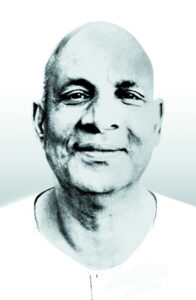
“You can have calmness of mind at all times by the practice of yoga. You can have restful sleep. You can have increased energy, vigor, vitality, longevity, and a high standard of health. You can turn out efficient work within a short space of time. You can have success in every walk of life.”
Swami Sivananda
Over 2,000 years ago, the sage Patanjali Maharishi compiled a series of aphorisms or sutras. In these Raja Yoga Sutras he sets out ashtanga yoga – ashta meaning ‘eight’ and anga meaning ‘limb’ – an eight-step programme for disciplining the mind, body, and senses. These eight stages purify and steady the practitioner for meditation, leading ultimately toward enlightenment.
The yamas and niyamas are the foundation of spiritual life on which the superstructure of meditation is built. They help to annihilate desires, cravings, and negative qualities, and melt the heart, filling it with love, kindness, and goodness.
Yamas are restraints or moral disciplines that guide how we relate to others and the world. They form part of the ethical foundation in Raja Yoga, helping to steady the mind and support meditation.
Yama | Sanskrit name | Practice |
|---|---|---|
Nonviolence | Ahimsa | Cultivating harmlessness in thought, word, and deed; avoiding injury to any being. |
Truthfulness | Satya | Aligning speech, thoughts, and actions with truth; practicing honesty without deception. |
Non-stealing | Asteya | Not taking what is not freely given, including time, credit, or resources. |
Control of the senses | Brahmacharya | Practicing moderation and self-control; avoiding excess that agitates the mind. |
Non-possessiveness | Aparigraha | Reducing grasping and clinging; simplifying desires so the mind becomes freer and calmer. |
Niyamas are observances or personal disciplines that refine inner life. They support spiritual growth by building purity, steadiness, and devotion, creating a strong base for concentration and meditation.
Niyama | Sanskrit name | Practice |
|---|---|---|
Purity | Saucha | Keeping body and mind clean and clear; cultivating inner and outer cleanliness. |
Contentment | Santosha | Developing inner satisfaction and peace with what is, instead of restless wanting. |
Austerity | Tapas | Strengthening willpower through disciplined effort and simplicity. |
Study of spiritual writings | Svadhyaya | Regular study and reflection on spiritual teachings to guide thought and conduct. |
Self-surrender | Ishvara Pranidhana | Remembering the Divine throughout daily life; keeping the mind oriented to higher awareness. |
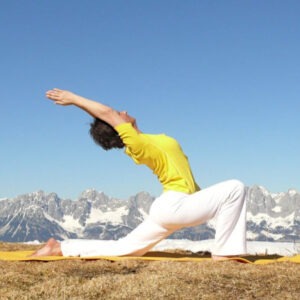
Asana means steady posture, and steady postures are an important element in Raja Yoga. A stable posture supports a stable mind.
Pranayama is the regulation and control of breath or prana, including breath retention. This refinement prepares the mind for inward attention.
Pratyahara is the withdrawal of the senses; it reduces distraction and quiets the outward-going tendencies of the mind.
Dharana is concentration: fixing the mind on one object to the exclusion of other thoughts. It is the stage where attention is deliberately gathered and held steady – whether on a real or imaginary object – so the scattered mind becomes one-pointed and prepared for meditation.
Dhyana is meditation: an uninterrupted flow of thought waves, compared to oil flowing in an unbroken stream. When concentration becomes continuous and effortless, attention no longer feels “held” but flows naturally toward the chosen focus – this steady, unbroken current is dhyana, and it leads onward toward samadhi.
Samadhi is described as the final step where the mind is absorbed into absolute consciousness beyond waking, dreaming, and deep sleep.
Hatha Yoga, with its emphasis on asanas and pranayama, is considered as part of Raja Yoga. Hatha Yoga practices become “yoga” in the full sense only when they rest on the wider Raja Yoga foundation – yamas and niyamas, and the further steps that lead inward: pratyahara, concentration, and meditation.
Sit in a steady asana.
Simple, even breathing to settle prana.
Practice dharana on one object (breath, OM, or tratak).
Allow concentration to become an uninterrupted flow of attention (dhyana).
Choose one yama or niyama theme for a week, strengthening the foundation on which meditation is built.