Yoga Teacher Training

Sivananda Yoga Teachers' Training Course (TTC)

A four-week residential 200-hour training in the classical yoga tradition

Deepen your practice, transform your life, and learn to teach yoga with confidence.

The Sivananda Yoga Teacher Training Course is a four-week residential immersion in classical yoga. It is designed for sincere students who wish to deepen their own practice, experience the yogic way of life, and receive a solid foundation for teaching asanas, pranayama and relaxation.

Founded in 1969 by Swami Vishnudevananda, the Sivananda Yoga Teacher Training Course was one of the first yoga teacher training programmes in the West. Today, it continues as an international training rooted in the teachings of Swami Sivananda and Swami Vishnudevananda, with more than 53,000 graduates worldwide.

During the course, you will live and study in a focused spiritual environment. Each day combines meditation, mantra chanting, asana and pranayama practice, lectures, teaching workshops, karma yoga, vegetarian meals and the study of yoga philosophy. The rhythm is intensive, but deeply supportive. It allows the teachings to move beyond theory and become part of daily life.

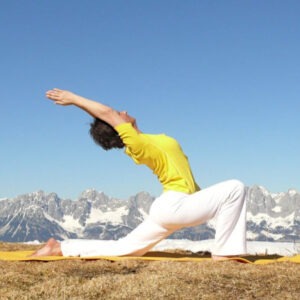
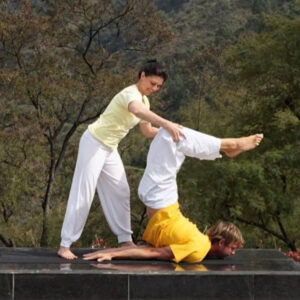
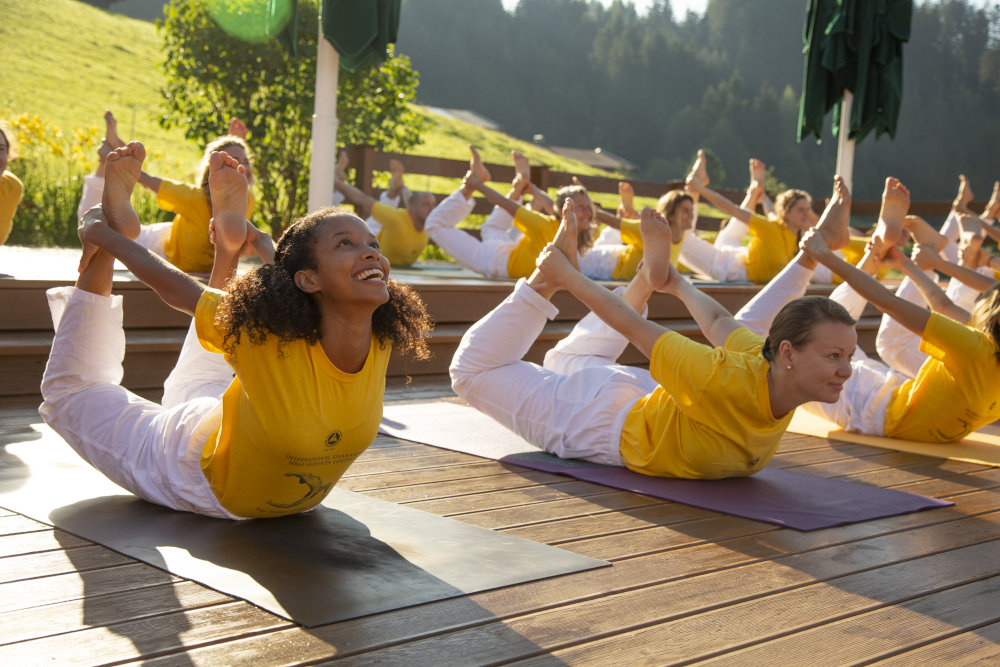
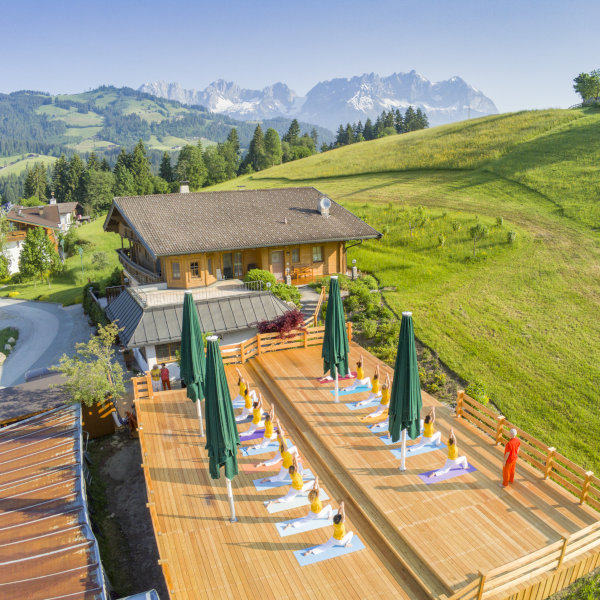
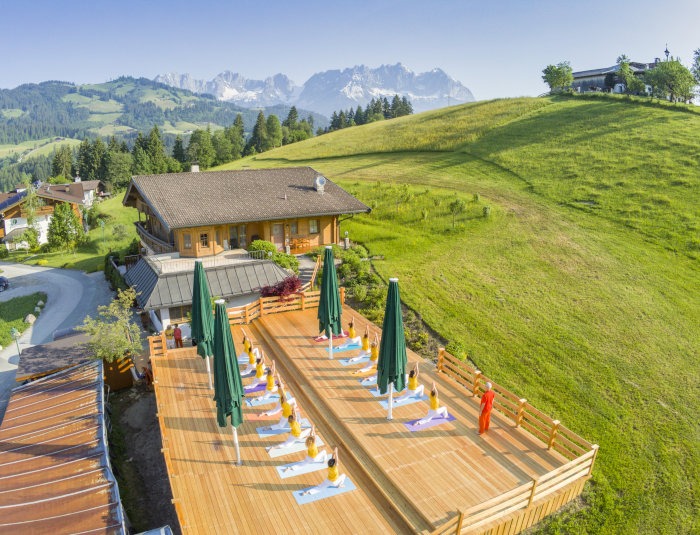
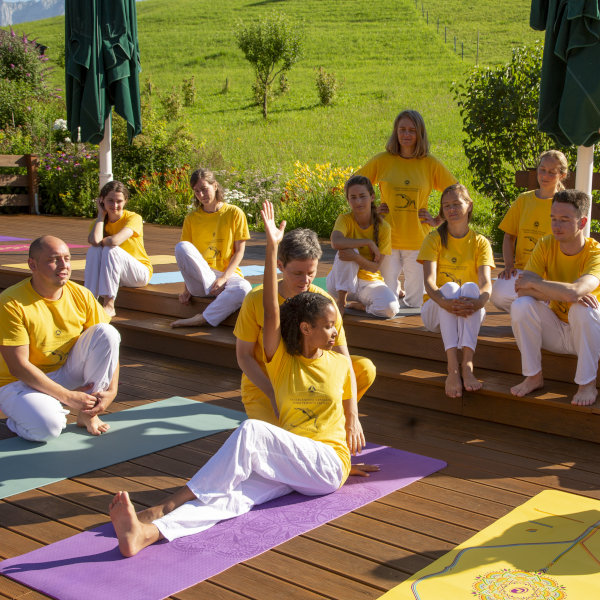
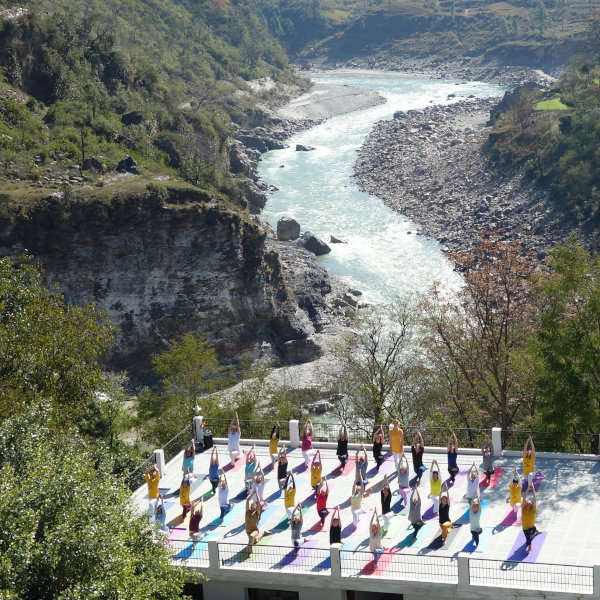
Bow pose during the Yoga Instructors Course at the Sivananda Retreat House in Austria

Quick facts

Contents

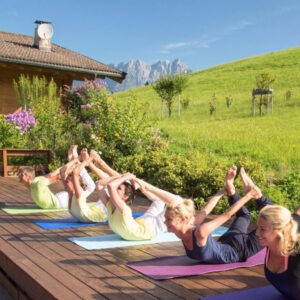
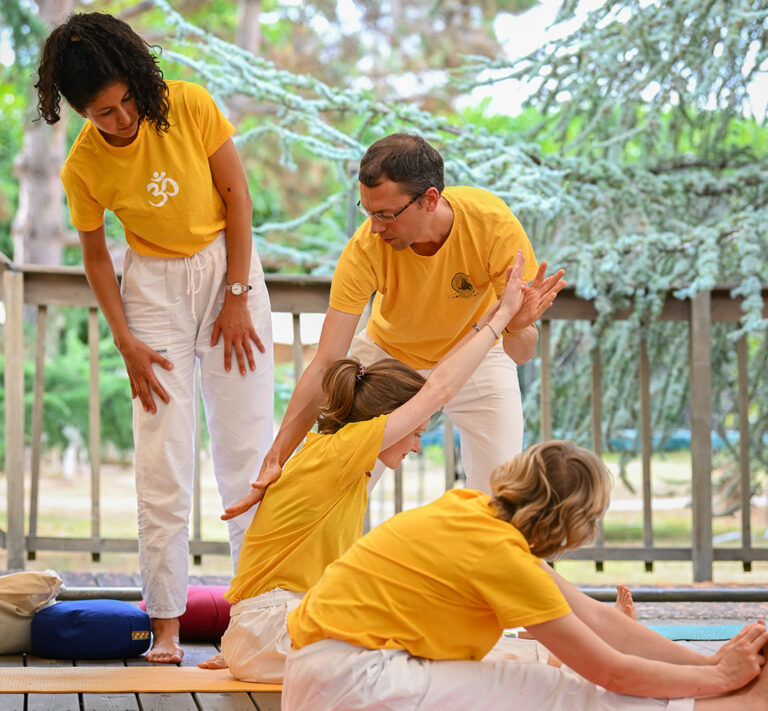
Yoga teacher training correction workshop

More Than a Yoga Teacher Certificate

The Sivananda TTC is not only a professional qualification. It is an invitation to experience yoga as a complete way of life.

Many students join the course because they want to teach. Others come because they feel the need for a deeper personal practice, a clearer direction in life, or a period of disciplined spiritual study. Both motivations are welcome. The training gives practical tools for teaching, but it also offers a direct experience of yoga as a path of physical, mental and spiritual development.

The course is based on the traditional gurukula spirit: teacher and student live and learn together in an environment dedicated to practice. Through this shared rhythm, students receive not only information, but also inspiration, discipline and personal guidance.

The training integrates the five points of yoga – proper exercise, proper breathing, proper relaxation, proper diet, and positive thinking and meditation – together with the four paths of yoga: Karma Yoga, Bhakti Yoga, Raja Yoga and Jnana Yoga.

By the end of the course, you will have learned how to teach a classical yoga class. More importantly, you will have established a foundation for your own continued practice.

Why A Four-Week Immersion Course?

A four-week residential format of the yoga teacher training course gives time for the teachings to move from theory into lived experience. The daily rhythm of practice, study, service and community life creates the conditions for steady progress, inner focus and lasting transformation.

Time to establish a daily practice

Daily meditation, asana, pranayama and study become a natural rhythm.

Learning through direct experience

The teachings are not only studied intellectually – they are lived each day.

Space away from daily distractions

The residential setting supports focus, simplicity and self-observation.

Gradual physical and mental development

The body becomes stronger and more open, while the mind becomes calmer and steadier.

Confidence to begin teaching

Students first deepen their own practice, then learn to guide others step by step.

Support of teachers and community

The shared rhythm of the group and the guidance of experienced teachers sustain the process.

Is This Course for You?

You want to deepen your personal practice

The course gives you a full month of structured daily practice. You will practise asanas and pranayama twice daily, meditate morning and evening, study yoga philosophy, and gradually experience how the different aspects of yoga support one another.

You want to learn to teach yoga

The TTC gives a systematic foundation in teaching classical hatha yoga. You will learn how to guide students through asanas, pranayama and relaxation, how to give clear instructions, how to observe students, and how to build confidence through supervised teaching practice.

You are looking for inner transformation

The course is intensive and requires discipline. Early mornings, daily practice, study, silence, self-observation and karma yoga create a powerful environment for inner growth. Many students describe the course as a turning point in their lives.

You are open to ashram life

Residential yoga training is simple, focused and communal. Students follow the daily schedule, eat vegetarian meals, participate in karma yoga, attend satsang, and share the rhythm of practice with others. This simplicity is part of the learning.

You want to study within a living tradition

The Sivananda TTC is rooted in a classical lineage. The teachings are transmitted by experienced teachers who practise and live the yogic lifestyle. The aim is not only to learn techniques, but to understand yoga as an integrated path.

Locations for the Yoga Teachers' Training Courses (TTC)

Each TTC location follows the same classical Sivananda curriculum, while each location offers its own setting, atmosphere, languages and accommodation options. Use this overview to choose the environment that best supports your training.

Prerequisites and Preparation

You do not need to be an advanced asana practitioner to apply. What matters most is sincerity, openness, discipline and the willingness to participate fully in all aspects of the course.

Previous practice of yoga asanas and meditation is recommended. It is also helpful, though not required, to have attended Sivananda Yoga classes, visited a Sivananda ashram, or followed online classes before the course. This gives you a clearer sense of the style, rhythm and spiritual atmosphere of the training.

The course is intensive. Students should be ready for early mornings, daily meditation, two asana and pranayama classes, lectures, teaching practice, karma yoga and evening satsang. Attendance at the core programme is required.

Prior mastery of yoga practices is not an essential condition. Yoga is a path of gradual inner development. Students progress at their own pace, with guidance from the teachers.

Health and suitability

Please contact the course team before registering if you are pregnant, recovering from surgery, managing a serious physical condition, taking psychiatric medication, experiencing significant mental health challenges, or unsure whether the intensity of the schedule is suitable for you.

The TTC is a spiritual and educational programme, not a medical or therapeutic retreat. If you have health concerns, it is important to discuss them in advance so that the course team can advise you responsibly.

Join a Live TTC Information Session

Still wondering whether the Sivananda Yoga Teacher Training Course is right for you? Join one of our free live information sessions via Zoom.

These sessions are offered regularly and give you the opportunity to learn more about the course before applying. A senior Sivananda teacher or course representative will explain how the training is structured, what you will study, how to prepare physically and mentally, and what makes the Sivananda TTC unique in its combination of practical training, spiritual depth and ashram life.

There will also be time for personal questions, so you can ask about the daily schedule, prerequisites, health considerations, locations, languages, costs, certification or the application process.

The next live sessions are listed below.

Try a Sivananda class before the info session

If you are new to Sivananda Yoga, we recommend joining the free Fire of Yoga online workshop before the Saturday information session. This live class is a good way to experience the classical Sivananda approach to asana and pranayama practice, and to become more familiar with the style of teaching before considering the TTC.

The Saturday TTC information session follows directly afterwards, making it possible to first practise, then stay online to learn more about the training and ask your questions.

What You Will Study

The Sivananda Yoga Teacher Training Course offers a complete foundation in classical yoga.
The curriculum combines practical training, theory, philosophy, teaching methodology and direct experience.

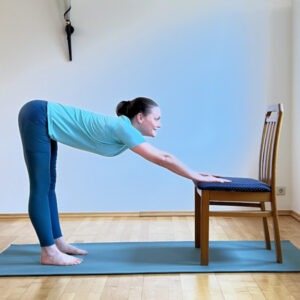
You will practise and study the classical Sivananda sequence, including the sun salutation, the twelve basic postures, variations, alignment, corrections and deep relaxation.

The asana classes are not only physical exercise. They teach concentration, breath awareness, inner steadiness and respect for the body. You will learn how to practise with awareness and how to guide others safely.

Topics include:

  • Sun salutation
  • Twelve basic postures
  • Intermediate and advanced variations
  • Postural alignment
  • Benefits and effects of the postures
  • Common mistakes and corrections
  • Deep relaxation and autosuggestion
  • How to structure and teach a classical class

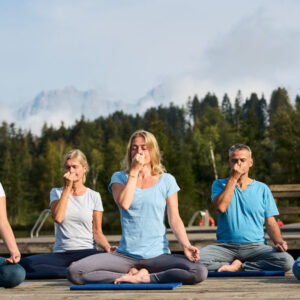
Pranayama is the science of yogic breathing. It helps regulate energy, calm the nervous system and prepare the mind for meditation.

You will practise and study:

  • Kapalabhati
  • Anuloma Viloma
  • Breath awareness
  • Expansion of lung capacity
  • Effects of pranayama on body and mind
  • Nadis and prana
  • Introduction to more advanced pranayama practices

Proper relaxation is one of the five points of yoga. You will learn how relaxation affects the body, the nervous system and the mind, and how to guide students into deep relaxation at the end of a class.

Topics include:

  • Physical relaxation
  • Mental relaxation
  • Spiritual relaxation
  • Autosuggestion
  • Relaxation as part of stress reduction
  • The role of relaxation in a balanced yoga practice

Daily meditation is central to the training. Morning and evening satsang give the opportunity to practise silence, concentration, chanting and study in a group setting.

You will study:

  • The purpose of meditation
  • How to sit for meditation
  • Concentration techniques
  • Mantra repetition
  • Positive thinking
  • Obstacles in meditation
  • The role of regular practice

The TTC gradually prepares you to teach. You will first observe and practise, then learn how to give instructions, demonstrate, correct and guide a class. Teaching practice is supervised so that you can develop confidence step by step.

Topics include:

  • How to teach beginners
  • How to give clear verbal instructions
  • How to demonstrate postures
  • How to observe students
  • How to correct safely
  • How to teach relaxation
  • How to structure a class

  • How to hold a calm and supportive teaching presence

The anatomy classes help you understand the physical effects of yoga and apply this knowledge in your own practice and teaching.

Topics include:

  • Main body systems
  • Musculoskeletal system
  • Spine and posture
  • Respiratory system
  • Cardiovascular system
  • Digestive system
  • Endocrine system
  • Nervous system
  • Effects of asanas and pranayama
  • Yoga and physical culture

The course introduces the principles of a yogic vegetarian diet and the relationship between food, energy and the mind.

Topics include:

  • Vegetarian diet
  • Sattvic, rajasic and tamasic foods
  • How diet affects the mind
  • Balance of major nutrients
  • Ayurvedic principles of nutrition
  • Fasting
  • Ethical and spiritual aspects of food

Kriyas are traditional yogic cleansing practices. They are introduced under guidance and according to suitability.

Topics may include:

  • Neti
  • Kapalabhati as a cleansing practice
  • Other classical purification practices
  • Purpose of cleansing in hatha yoga
  • Safety and correct guidance

The TTC gives a foundation in the philosophical teachings of yoga. These teachings help students understand the deeper purpose of practice and the nature of the mind.

Topics include:

  • What is yoga?
  • The four paths of yoga
  • Raja Yoga and the control of the mind
  • Vedanta philosophy
  • Karma and reincarnation
  • The three bodies and five sheaths
  • The three gunas
  • The Bhagavad Gita
  • The role of the teacher and the lineage
The four paths are woven into the daily rhythm of the course:
  • Karma Yoga – selfless service and action without attachment
  • Bhakti Yoga – devotion, chanting, prayer and opening of the heart
  • Raja Yoga – control of the mind through meditation and discipline
  • Jnana Yoga – enquiry into the Self and the nature of reality
Together, these paths give a complete approach to spiritual growth.

Chanting is part of daily satsang and helps calm the mind, open the heart and create a devotional atmosphere. Students learn traditional Sanskrit chants and experience the power of sound and mantra as a spiritual practice.

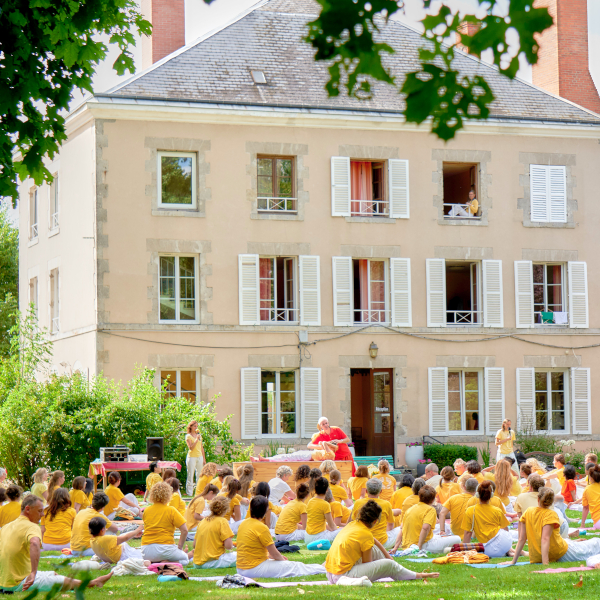
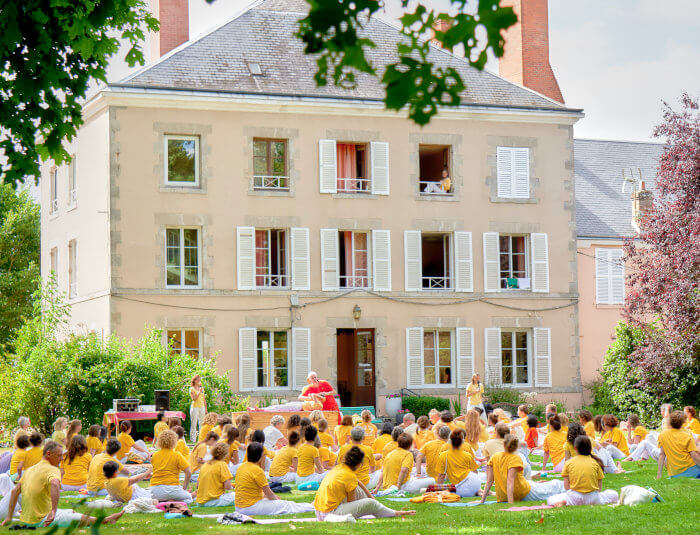
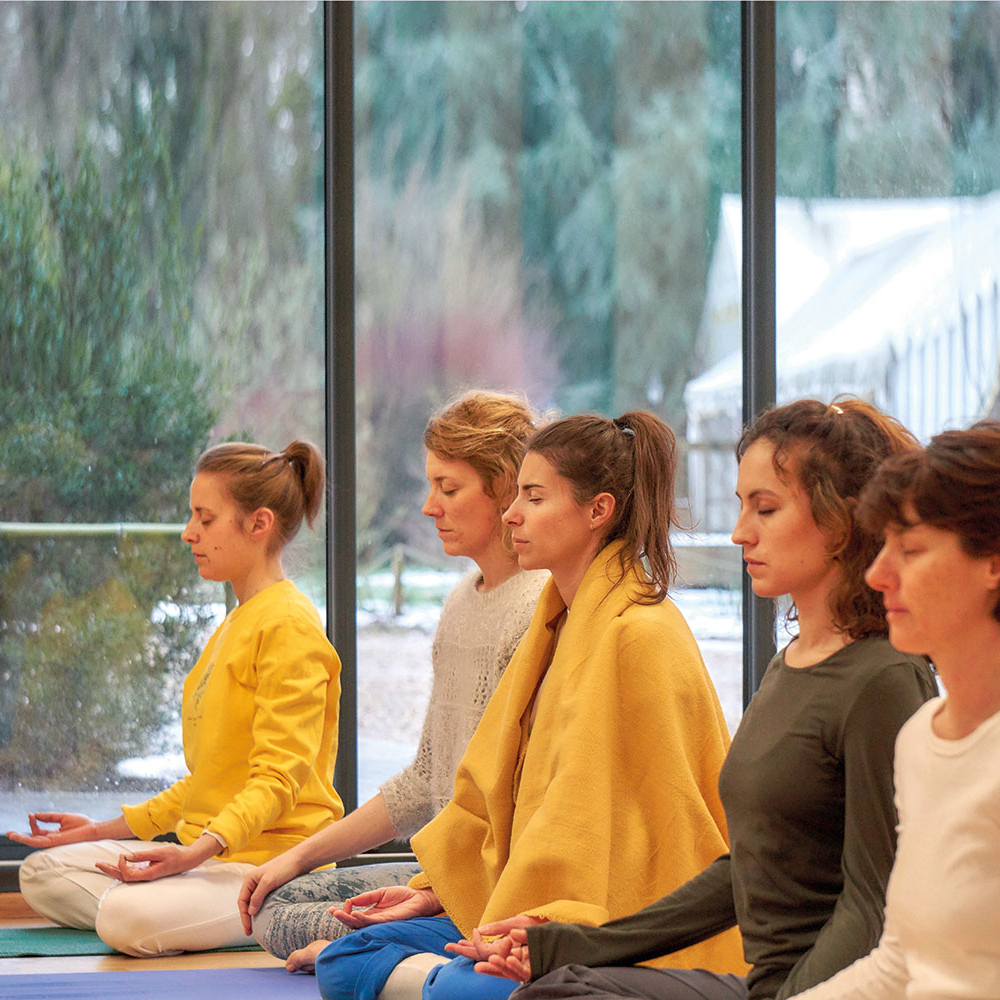
Sivananda Yoga Teachers' Training Course in France
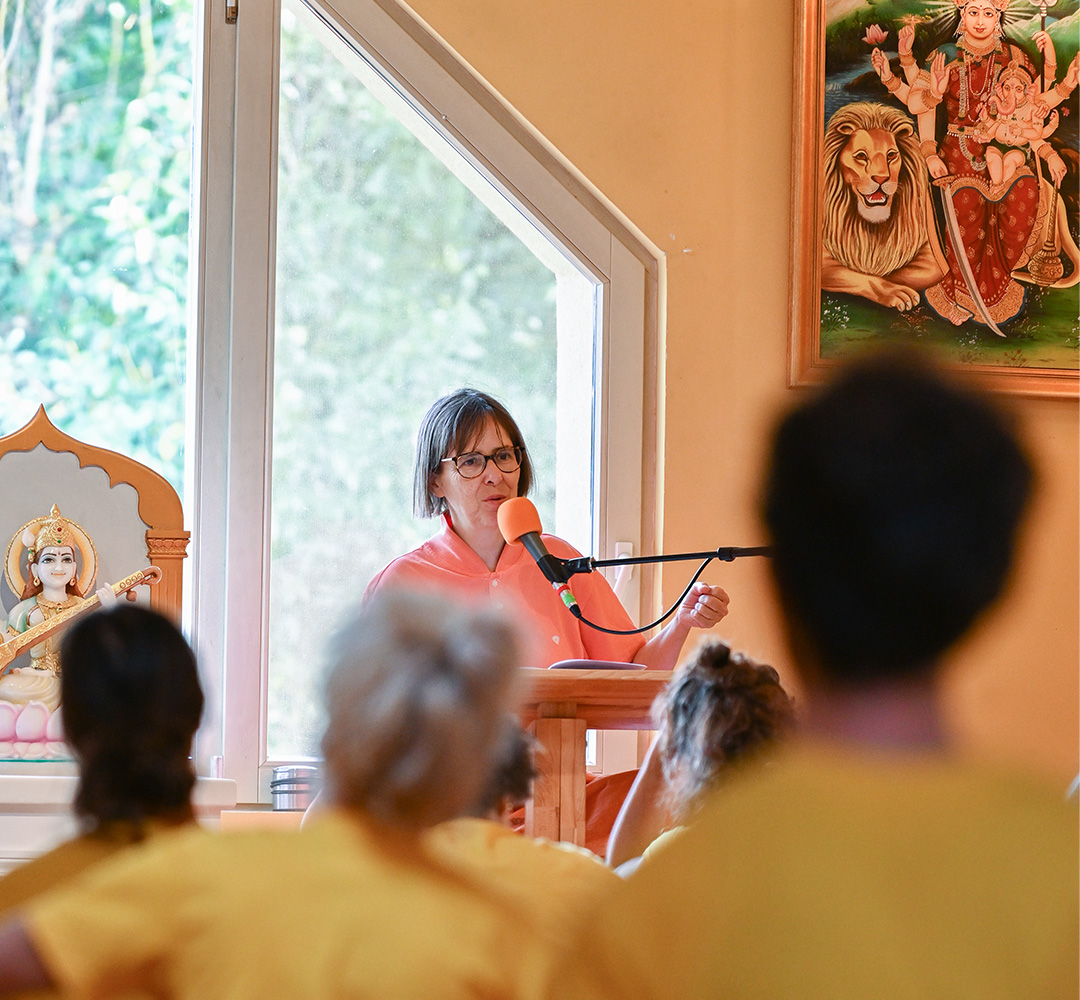
Lecture during the yoga teacher training course in France

A Typical Daily Schedule

The exact schedule may vary slightly by location, season and course format, but the rhythm below gives a realistic impression of the training day.

The daily rhythm is part of the training. Early rising, regular practice, simple food, study, service and silence help focus the mind and support inner transformation.

There is usually one lecture-free day per week. Morning and evening satsang may still continue, depending on the location.

Testimonials

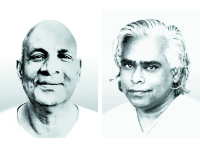
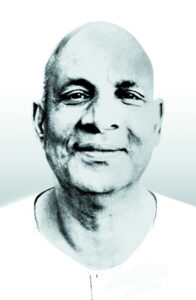
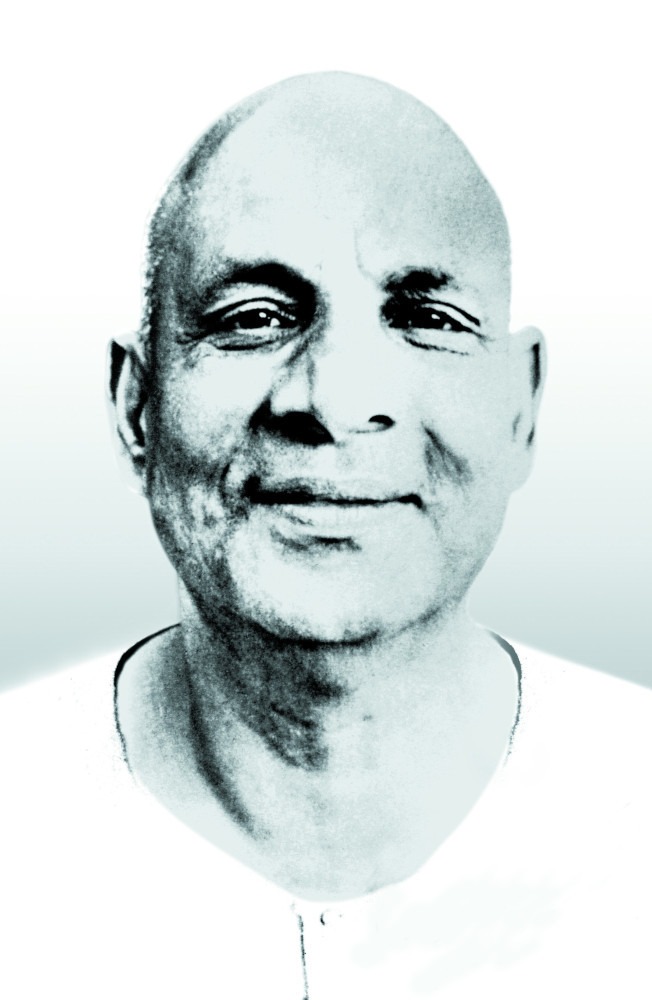
Swami Sivananda
Swami Sivananda
(1887–1963)
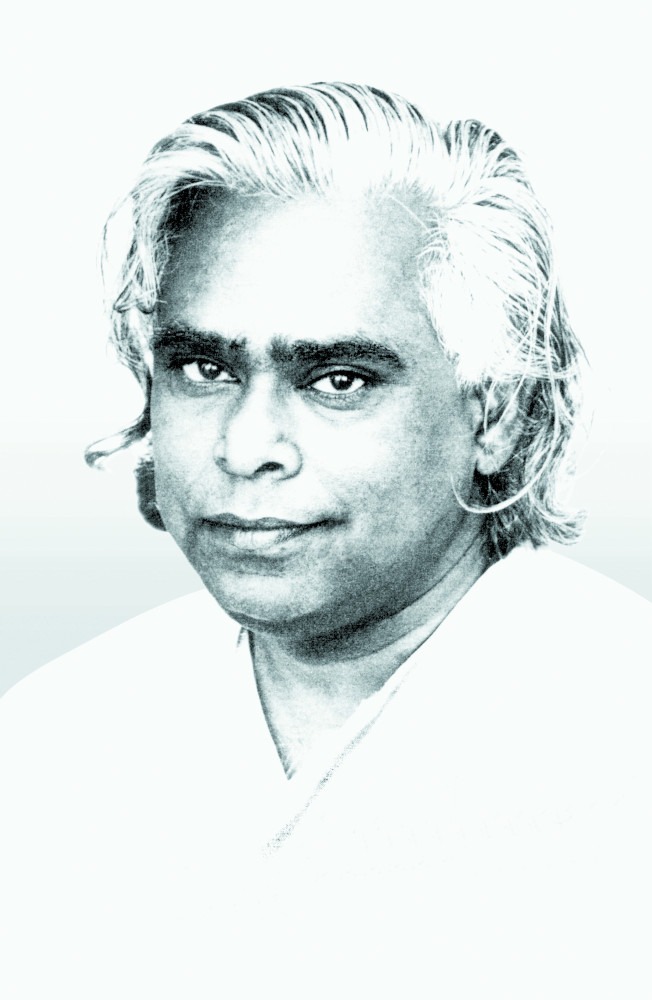
Swami Vishnudevananda
(1927–1993)

Teachers and Lineage

The Sivananda instructor training course is taught by experienced teachers who are dedicated to the practice and transmission of classical yoga.

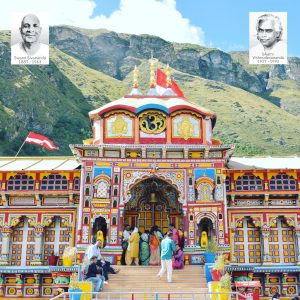
The teachings come through the lineage of Swami Sivananda and Swami Vishnudevananda. Swami Sivananda’s message – “Serve, love, give, purify, meditate, realise” – remains the heart of the tradition. Swami Vishnudevananda brought these teachings to the West and developed the TTC as a way to train sincere students through direct experience.

Teachers vary by location and course date. In each TTC, students receive guidance in asana, pranayama, philosophy, meditation, anatomy, teaching methodology and yogic lifestyle from trained Sivananda teachers.

The role of the teacher is not only to give information, but to help students understand yoga through practice, discipline and personal experience.

Certification and Recognition

Upon successful completion of the course, graduates receive the Yoga Siromani diploma from the International Sivananda Yoga Vedanta Centres.

The Sivananda Yoga Teachers’ Training Course (TTC) is internationally recognised and is accepted by Yoga Alliance as meeting the 200-hour standard required by Registered Yoga Schools (RYS).

The TTC forms the foundation for further study in the Sivananda tradition. Graduates may continue with the Advanced Teachers’ Training Course (ATTC), a four-week advanced training for Sivananda TTC graduates. Together, the TTC and ATTC provide the training basis for the 500-hour standard through Yoga Alliance. Graduates of the ATTC can receive internationally recognised certification confirming that, in combination with the hours earned in the TTC, they are 500-hour qualified yoga teachers.

To complete the TTC successfully, students are expected to attend classes, participate fully in the daily programme, complete teaching practice and evaluations, and demonstrate understanding of the course content. Certification is based on participation, practice, teaching ability, written assessment and overall integration of the training.

The Yoga Siromani diploma gives a foundation for teaching classical Sivananda hatha yoga and for continuing with advanced study, personal practice and further teacher training.

Yoga Alliance RYS 200 icon

Yoga Teachers' Training Course

  • 200-hour standard
  • Yoga Siromani diploma
  • Foundation for teaching classical Sivananda hatha yoga

+

RYS 300 Yoga Alliance

Advanced Teachers' Training Course

  • 300-hour advanced training
  • For Sivananda TTC graduates
  • Further study of Vedanta, Raja Yoga, Sanskrit, pranayama and advanced practice

=

YOGA-ALLIANCE-500-3

TTC + ATTC

Together, the 200-hour TTC and 300-hour ATTC provide the training basis for the 500-hour Yoga Alliance standard.

Costs and What is Included

Course fees vary by location, date and accommodation category. Please check the location pages for exact prices, availability and local conditions.

What is usually included

Tuition

Accommodation

Vegetarian meals

Training manual

Examination fee

TTC uniform (2 pants, 2 t-shirts)

What is usually not included

Travel

Visa costs, where applicable

Travel insurance

Local visitor tax, where applicable

Required books and kriya materials

Optional treatments, excursions, or private sessions

Continuing Your Yoga Journey after TTC

The Yoga Teacher Training Course is often the beginning of a lifelong path. After graduation, you are encouraged to continue your personal practice, stay connected with the Sivananda community, and deepen your understanding through regular study, practice and service.

Staying connected

After the TTC, there are many ways to keep the inspiration of the course alive in daily life. You can join online group meditation, attend yoga retreats, participate in workshops, or become involved in your local Sivananda Yoga Centre through classes, karma yoga, chanting, study groups and community events.

Staying connected supports regular practice and helps you continue integrating the teachings of yoga into everyday life. Whether you begin teaching immediately or simply continue your own sadhana, the Sivananda community offers guidance, encouragement and spiritual friendship along the way.

Further education opportunities

Graduates who wish to deepen their practice or expand their teaching skills can continue with further Sivananda training programmes. These courses give you the opportunity to study specific aspects of yoga in greater depth, renew your inspiration and strengthen your personal discipline.

Any Questions? Contact Us

Schedule a one-on-one meeting with one of the course teachers and ask any questions you have.

E-mail: teacherstraining@sivananda.net

Phone: +43 5356 67 404

WhatsApp: +43 664 75486334

This site is registered on wpml.org as a development site. Switch to a production site key to remove this banner.