Relaxation
Living with mind and body relaxed is our natural state. It is only the pace of life that has made many people forget it. Yoga relaxation helps you recover that natural ease. It teaches you how to release physical tension, calm the mind, and enter a deeper state of inner peace. When practiced regularly, relaxation restores energy, supports health, and brings a sense of quiet balance into everyday life.
In yoga, relaxation is not merely resting for a few moments or collapsing from tiredness. It is a conscious process of letting go. Proper relaxation is understood to be one of the essential conditions for health and peace of mind. It is the natural way to reenergize body and mind, allowing the whole system to recover from the unnecessary strain created by tension, worry, overstimulation, and constant activity.
True relaxation is experienced when little or no energy is being wasted. Much of human fatigue does not come only from work itself, but from the habit of keeping the muscles tense and the mind overactive even when there is no need. Yoga teaches how to reverse this habit and return to a state of ease, steadiness, and renewal.
In yoga, proper relaxation has three parts: physical, mental, and spiritual. These three are closely linked. If the body is tense, the mind is rarely calm. If the mind is restless, the body soon reflects that disturbance. And unless there is some deeper inner peace, relaxation remains incomplete.
Three Levels of Relaxation
Physical relaxation begins with the body. The body stores strain very easily. A clenched jaw, a furrowed brow, a stiff neck, tight shoulders, a contracted abdomen, restless legs – these are common signs that energy is being lost through unnecessary tension. In daily life, the mind is constantly receiving stimuli and sending messages through the nerves to the muscles, preparing them for action. As a result, many people remain in a state of physical readiness even while sitting, resting, or sleeping.
This unnecessary tension is more than uncomfortable. It is a steady drain on vitality. Energy is being used both to tell the muscles to contract and to keep them contracted. Over time, this creates tiredness, strain, and a sense of depletion. Physical relaxation is therefore not a luxury, but a means of conserving life energy.
Yoga approaches physical relaxation in a practical way. First, the body is brought into stillness. Then each part is relaxed consciously. When practising final relaxation in a yoga class, one may first tense and then release the different areas of the body in order to recognize clearly the difference between effort and ease. Gradually the muscles learn to let go. The breath becomes slower and deeper. The whole body begins to feel heavy, warm, light, and released, as though melting into the ground.
This is one of the reasons relaxation is placed at the heart of yoga practice. It teaches the body to stop wasting energy and to recover its natural capacity for rest.
Three Levels of Relaxation
Mental relaxation comes when the mind is no longer being pulled in many directions at once. Even if the body lies still, the mind may continue to worry, rehearse conversations, revisit the past, or plan an imaginary future. This kind of mental activity uses enormous energy. In fact, mental tension can exhaust a person as much as physical effort, and sometimes more.
Yoga teaches that the mind becomes overloaded when it is continually bombarded by impressions and when it is allowed to run unchecked. True mental relaxation begins when the flow of thought is simplified and the attention is gently gathered. The breath is one of the most direct means for doing this. By breathing slowly, deeply, and rhythmically, and by concentrating on the breath, the mind begins to unwind and recoup its energies. Worry subsides. The nervous system settles. The body follows the mind into relaxation.
Mental relaxation also depends on learning how to reduce unnecessary stimulation. Constant noise, agitation, excessive entertainment, emotional upheaval, and the unceasing pressure to keep up all disturb the mind and leave it fatigued. Yoga offers another way: simplicity, rhythm, conscious breathing, inwardness, and periods of silence. When the mind becomes quiet, one begins to experience a more natural clarity and lightness.
This is why deep relaxation in yoga is not only about the muscles. It is also about releasing the hold of restless thought.
Three Levels of Relaxation
Physical and mental relaxation, important as they are, are not complete in themselves. Yoga teaches that for as long as we identify entirely with the body and mind, there will still be fear, worry, grief, anger, and insecurity. Even when the body is resting and the mind is quieter, some deeper unease may remain. This is why yoga speaks of spiritual relaxation.
Spiritual relaxation means stepping back from identification with the body and mind and becoming a witness. Instead of being caught in every sensation, emotion, or thought, one begins to rest in a deeper center of awareness. In this state, there is a growing sense of detachment, spaciousness, and peace. Yoga describes this inner reality as the source of truth and peace within us.
This is not something forced by the intellect. It comes gradually as the body grows quiet, the breath becomes steady, and the mind lets go of its agitation. In deep relaxation, there can arise a sense of expansion, stillness, and quiet joy. One no longer feels merely tired and resting, but inwardly restored.
For this reason, proper relaxation in yoga is more than a technique for stress management. It is also a doorway to inner peace.
When mind, body, and senses are continually overworked, they lose the chance to rejuvenate themselves. Without proper relaxation, the body becomes inefficient, the mind becomes exhausted, and life begins to feel heavy. Yoga recognizes deep relaxation as one of the five essential principles of a balanced life. It cools the system, preserves energy, and allows the benefits of practice to be stored rather than dissipated.
Regular relaxation can help support:
Much of the tension people carry in daily life comes from living in a constant state of physical and mental strain. When the breath becomes disturbed, the muscles remain contracted, and the mind is continually pulled outward, energy is quickly depleted. Yoga offers a practical way to reverse this pattern. Through conscious breathing, gentle practice, and deep relaxation, it helps release stress and restore balance.
Yoga relaxation is supported by the whole practice of yoga.
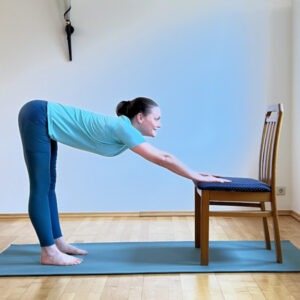
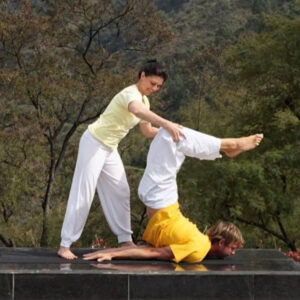
Asanas help remove stiffness from the body and retrain the muscles to relax. They stretch, release, and bring awareness to areas that habitually hold tension.
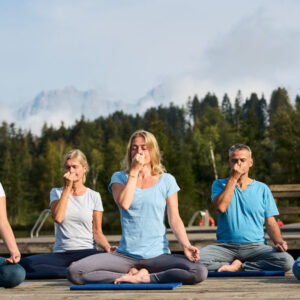
Slow, deep, rhythmical breathing calms the mind and helps the body follow it into rest. Breath is the bridge between physical and mental relaxation.
Yoga teaches you to observe the body and mind more clearly. This makes it easier to recognize tension and release it consciously.
In Final Relaxation at the end of a yoga class, the body lies still, the breath becomes quiet, and the mind turns inward. Energy is conserved and the whole being is given time to recover.
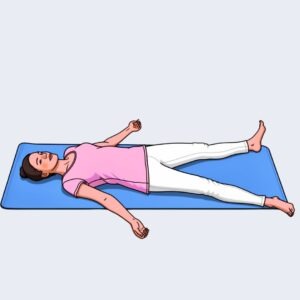
The classic posture for yoga relaxation is Savasana or Corpse Pose. It is usually practiced before a session, between postures, and at the end of practice in final relaxation.
Though it looks simple, Savasana is one of the most subtle and important of all yoga practices. It gives the body a chance to release effort completely, the breath a chance to become natural and quiet, and the mind a chance to rest in still awareness.
The purpose of yoga relaxation is not only to feel better for a few minutes on the mat. It is to help you live with greater balance. As you practice, you become more aware of how tension forms and more able to release it before it takes hold.
A few slow breaths during the day, a short period of lying still after work, a conscious relaxation before sleep, or a moment of inward quiet between activities can all help restore calm. Over time, relaxation becomes less of an occasional remedy and more of a way of living.