Stress Relief

Yoga and Stress Relief

Most aspects of modern life are run at great speed. There is more to do, more pressure, more noise, more demands on time and attention. Under these conditions, many people live with a level of stress that has come to seem normal. Yoga offers a practical and effective way to bring relief. Through postures, breathing exercises, and relaxation techniques, it helps you release tension, calm the nerves, and restore balance.

Contents

Overcoming Stress

Different people experience stress in different ways. Some feel it in the neck and shoulders, some in the stomach, some in the breath, and some in the mind. There are many ways people try to deal with it, but yoga offers something distinctive: it works on body, breath, and mind together.

Rather than merely masking symptoms, yoga helps you understand how stress affects the system and how to reverse that process. It teaches you not only how to overcome existing stress symptoms, but also how to develop greater resistance to future stress.

The Fight or Flight Response

Feelings of stress are not directly caused by outer events themselves. They arise because of the body’s instinctive response to those events. This response is often called fight or flight.

In a true emergency, this response is useful. It prepares the body either to face danger or to run from it. But modern pressures such as time pressure, emotional conflict, financial worries, pollution, competition, and excessive noise are not physical attacks. Even so, the nervous system often reacts to them in exactly the same way.

The result is that the body begins to behave as though there were an immediate threat. Certain systems are put on high alert, while others are temporarily slowed down. This can create the strong impression of being under siege, even in ordinary daily life.

Common Stress Symptoms

Stress affects many systems of the body at once. Some of the most common symptoms include:

A faster, stronger heartbeat

Blood is pumped around the body more quickly in preparation for action. When this happens, quiet activities, concentration, and even sleep can become difficult.

Digestive disturbance

Blood is directed away from the digestive organs and toward the skeletal muscles. This puts digestion under strain and can leave food sitting heavily in the stomach.

Muscular contraction

Under stress, major muscle groups contract in preparation for either fight or flight. Neck and shoulder muscles often tighten as if preparing to fight. Leg muscles may tense as if preparing to run. These contractions are tiring in themselves and can leave you feeling exhausted at the end of the day.

Disturbed breathing

When stress takes hold, the solar plexus becomes tense and healthy abdominal breathing is disturbed. Breathing moves into the chest and becomes short and superficial. This inability to exhale in a relaxed way can create feelings of anxiety and make it difficult to speak calmly or breathe freely.

Craving and overeating

Stress can also disturb blood sugar balance and lead to sudden hunger, especially for sweet foods. When stress becomes habitual, this can become another source of strain.

Why Yoga Relieves Stress

Yoga helps because it does not add new stress to the system. Instead, it gently works with the body’s natural mechanisms of recovery.

The stress response is linked with the sympathetic nervous system, which activates the body for emergency. Yoga helps awaken the opposite response: the parasympathetic nervous system, which brings rest and repair.
This calm-inducing response supports the body by:

  • slowing down the heartbeat
  • slowing down breathing patterns
  • encouraging digestion
  • promoting digestive gland secretion
  • stimulating bowel movement
  • increasing the secretion of tears and saliva

In daily life, the stress response is often activated automatically. The calm response, however, usually needs to be activated consciously. This is why people in stressful situations often feel incapable of “just relaxing.” Yoga teaches how to do exactly that.

Stretch the Stress Away

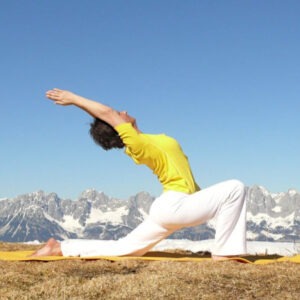
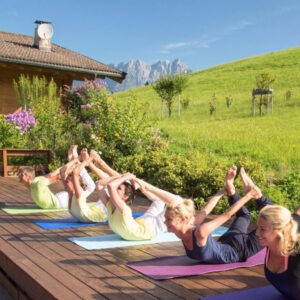
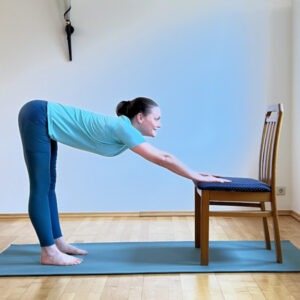
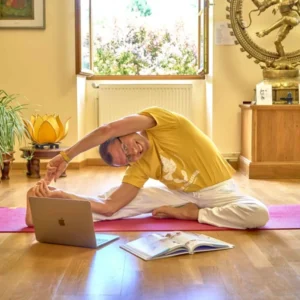
In the early part of a yoga session, muscles are stretched and then relaxed. This rhythmical alternation is one of the reasons yoga is so effective for stress relief.

When a tense muscle is stretched for a short time and then released, it begins to let go. The body experiences both the stretch and the following relaxation more clearly. Little by little, this progressively relaxes the muscles and helps activate the calm-inducing response of the nervous system.

This is why even a beginner can often feel a sensation of relaxed well-being after practice.

Exercise the Stress Away

Many forms of exercise are recommended as ways of “working out” stress, but some forms of activity imitate the very fight-or-flight pattern they are supposed to relieve. Competitive sports can stimulate the fighting instinct. Other repetitive exercise can imitate flight.

In yoga, there is another approach.

Sun Salutation is a gentle and non-competitive way to work out the urge to be active. The movements can gradually become more dynamic, but the breath remains deep and rhythmical. In this way, activity is expressed without adding new tension to the nervous system.

When Sun Salutation is followed by deep rest, you can often feel clearly that the stress-activating response has already begun to calm down.

Relax the Stress Away

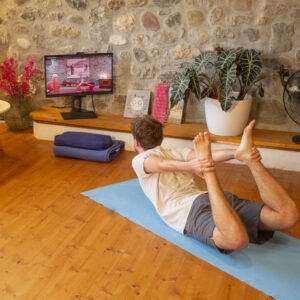
At a later stage of a yoga session, some yoga postures use stronger muscular effort. This creates an even deeper relaxation afterwards.
When muscles contract strongly and then release, hidden tensions are often discharged from the muscle fibres. The relaxation that follows is deeper than before. This is one of yoga’s great secrets: effort, when used consciously, prepares the way for profound release.

This deeper relaxation helps prepare the mind to meet the challenges of daily life in a more relaxed way.

The Importance of Final Relaxation

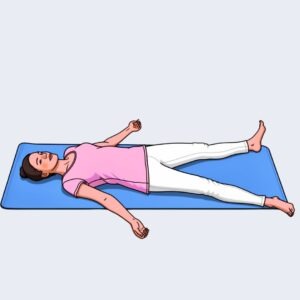
Final Relaxation is one of the most important parts of the yoga session for stress relief. It is here that the effects of the practice settle through the whole system.

After movement, stretching, and breath awareness, the body is placed in stillness. The mind travels through the body, releasing each part in turn. The breath becomes natural. The whole being is given a chance to rest.

By the time you reach Final Relaxation, you may feel the process of rest and repair in every cell of the body, from head to feet.

Daily Practice as Protection Against Stress

Yoga is not only helpful in the moment. With regular practice, it helps protect the system from the effects of stress throughout the day.

Stressful conditions may still arise. The heart may want to race, digestion may want to slow down, or the muscles may begin to tighten. But when the calm-inducing response has been regularly activated through yoga, it can counterbalance these effects much more effectively.

Regular practice builds steadiness.

Yoga for Stress Management

Yoga’s approach to stress management begins on the mat, but it does not end there.

A few practical principles support the whole process:

Create a stress-free practice space

Practice in a quiet, clean, clutter-free place where you will remain undisturbed.

Develop self-observation

Become aware of physical and mental habits that allow unnecessary stress to accumulate.

Reduce self-created stress

Unhealthy eating, negative thinking, and not allowing any down time all create avoidable strain.

Support the system with right living

A healthy diet, positive thinking, and meditation all help reduce the conditions that feed stress.

A More Relaxed Way to Meet Life

Yoga does not promise that outer pressures will disappear. What it offers is something deeper: a change in the way the body and mind respond.

As practice deepens, the heartbeat steadies more easily, the breath remains calmer, the muscles release more quickly, and the mind becomes less reactive. You may still face challenges, but you are no longer meeting them with the same level of inner contraction.

That is why yoga is such an effective system for stress relief. It teaches the whole being how to return, again and again, to balance.

Continue Your Practice

Stress relief begins with simple things: one conscious breath, one period of stillness, one yoga session practiced with awareness. Done regularly, these become powerful.

This site is registered on wpml.org as a development site. Switch to a production site key to remove this banner.