Yoga Teacher Training

Yoga Teacher Training

4-week intensive courses

Yoga Alliance RYS 200 icon

Contents

Become a Yoga Instructor

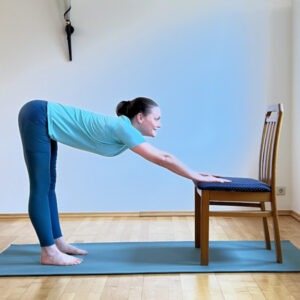
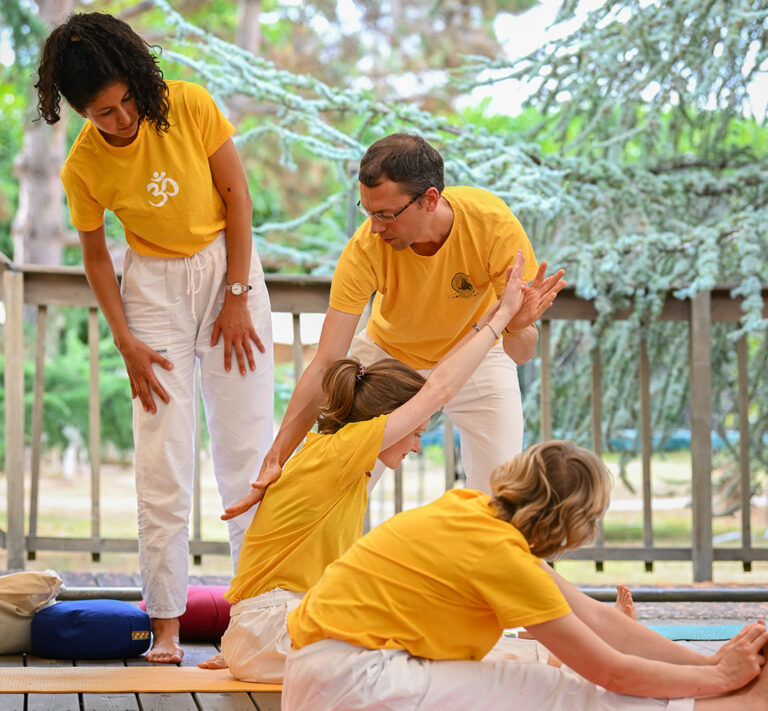
Yoga teacher training correction workshop

Why Sivananda Yoga?

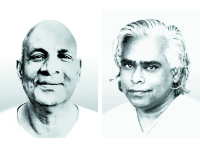
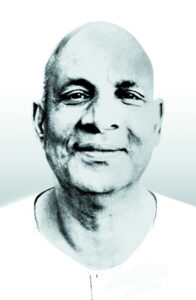
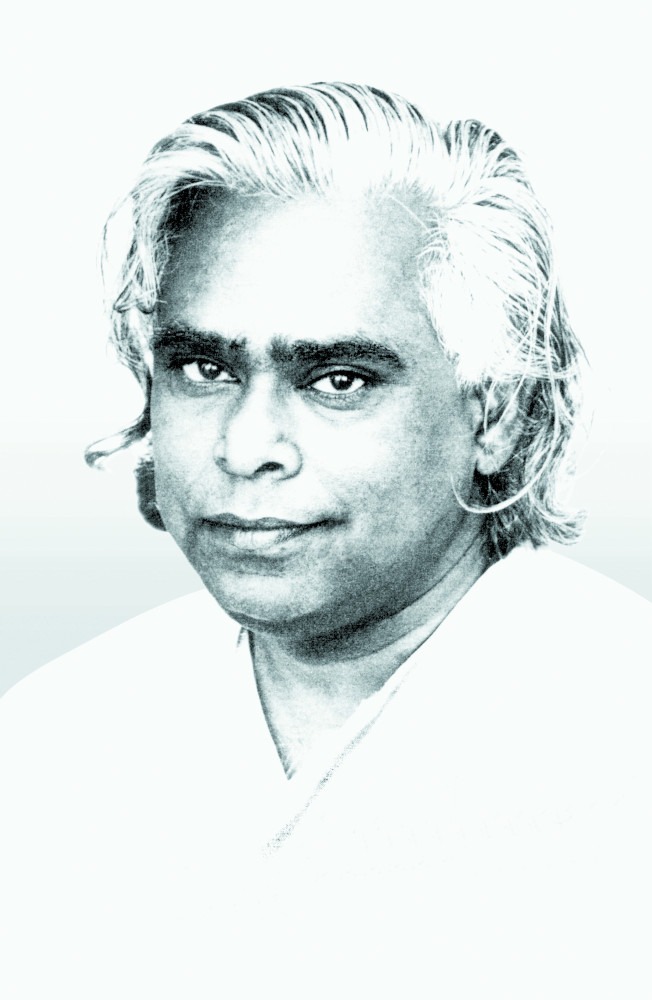
The Sivananda Yoga Teachers’ Training Course was founded by Swami Vishnudevananda in 1969 and was the first Yoga teacher’s training course ever to be held in the West. It is now taught by senior disciples of Swami Vishnudevananda with over 52,000 graduates worldwide and 1,000 new graduates every year.

This course is suited to all yoga practitioners who seek a transformative experience in beautiful surroundings.

The course combines the practice of asanas, pranayama and meditation with the study of ethical and philosophical principles as well as a vegetarian diet. This allows a comprehensive understanding of yoga. Regular daily practice helps to successfully integrate yoga in one’s own life and teach it to others.

Upon successful completion of the course, the yoga teacher has sufficient knowledge and practical experience to teach asanas, pranayama and relaxation to beginners and intermediate-level students.

What Do You Need for the Yoga Training Course?

The intensity of the training programme requires discipline and an open mind to new teachings and experiences. Prior experience in the practice of yoga and meditation is recommended and a sincere desire for knowledge and commitment to personal growth is needed.

It is suggested that before enrolling for the course, you familiarise yourself with the Sivananda system of practice by visiting one of our ashrams or city centres in person, attending a free online yoga workshop and/or online group meditation, and by participating in one of our regular live online TTC info events.

What is the Difference between 200, 300 and 500 hour Yoga Teacher Training?

Sivananda Yoga Teachers' Training Course in France

TTC (200 hours)

The Sivananda Yoga Teachers’ Training Course (TTC) is recognised by the Yoga Alliance for the 200 hours standard required by Registered Yoga Schools (RYS).

The Training

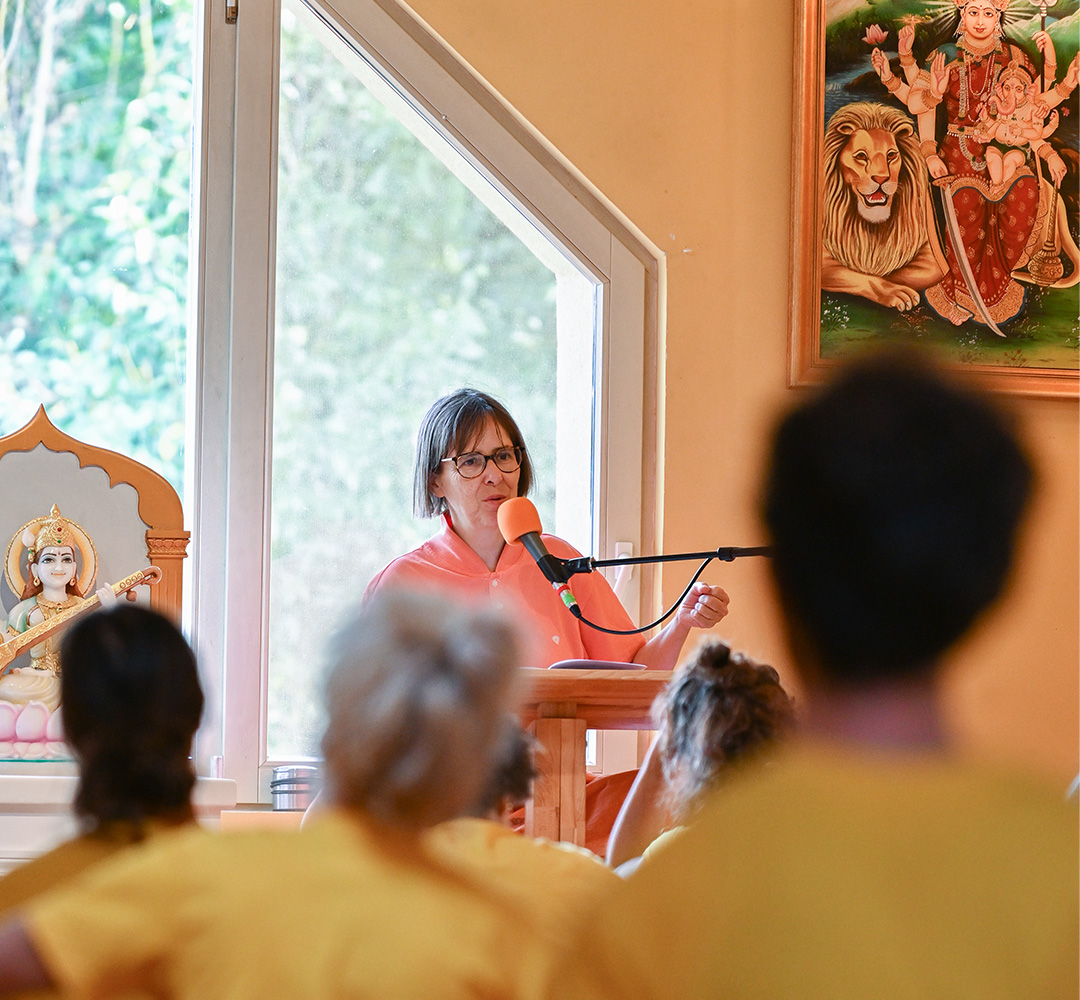
Sivananda Yoga teachers are not just trained in the asanas. While asanas are an integral part of classical Hatha Yoga, it is the combination of the asanas with ethical values, pranayama (breathing exercises) and meditation that enables a comprehensive experience of Hatha Yoga.

The Sivananda approach to training yoga teachers believes that students should understand and experience the four main systems of yoga: Besides the focus on Hatha Yoga, the TTC introduces students to the theory and practice of Raja Yoga (control over the mind), Karma Yoga (selfless activity), Jnana Yoga (yoga philosophy) and Bhakti Yoga (transformation of emotions into devotion).

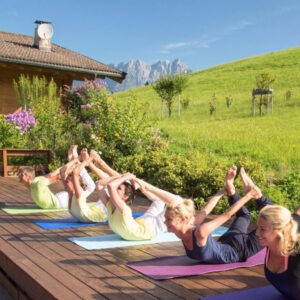
Daily: two meditation sessions, two yoga classes, two lectures, one hour of service to the ashram community. One day a week is lecture-free.

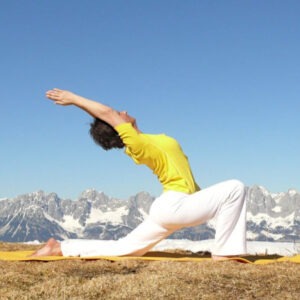
Asanas (yoga postures)

The daily in-depth practice with individual corrections comprises:

  • Sun salutation
  • 12 basic yoga postures
  • 100 asana variations, from intermediate level to advanced
  • Postural alignment
  • Deep relaxation with autosuggestion
  • Release of blocked energy
  • Training sessions for all age groups

Benefits of asanas:

  • Control emotions
  • Improve power of concentration
  • Rid the body of excess fat
  • Enhance physical fitness
  • Relieve chronic ailments such as constipation, rheumatism, stomach complaints
  • Stimulate circulation
  • Stabilise thyroid functions
  • Keep muscles youthful and supple into old age

Pranayama

  • Expands capacity of the lungs
  • Relaxes the nervous system
  • Balances the two hemispheres of the brain
  • Purifies the nadis (subtle energy channels)
  • Awakens the inner spiritual energy
  • Kapalabhati (lung cleansing exercise)
  • Anuloma Viloma (alternate nostril breathing)
  • Samanu (mental cleansing of the nadis)
  • The 8 main pranayamas: Ujjayi, Surya Bheda, Bhastrika, Plavini, Moorcha, Sitali, Sitkari, Bhramari

Kriyas

  • Tratak, Neti, Kapalabhati, Dhauti, Nauli and Basti: six classical purification exercises for the eyes, nose, air passages, oesophagus and stomach, abdominal organs and large intestine. Explanation and demonstration of the exercises and their effects. Individual instruction

Yoga anatomy and physiology

  • Introduction to the major body systems
  • The effects of asanas and pranayama on: the cardiovascular system, respiration, digestion, skeletal and muscular systems, endocrine system

Teaching practice

  • How to teach the 12 basic postures and breathing exercises to beginners and intermediate students
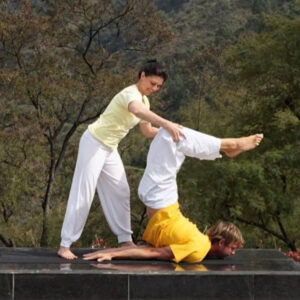
  • Detailed correction workshops
  • In the second half of the training course, participants will teach each other under the guidance of an experienced instructor

Yoga nutrition

  • Vegetarianism – for ethical, spiritual and health reasons
  • How diet affects the mind
  • Proper balance of the main nutrients
  • Ayurvedic principles of nutrition
  • Healing effects of fasting

Meditation

  • Physical and mental meditation
  • 12-step daily practice
  • Effects of and experiences in meditation
  • Mantras – spiritual energy in sound
  • Mantra initiation (if desired)

Hatha Yoga

  • Ethical and moral principles
  • Body – prana (life energy) – mind
  • From control over the body to control over the mind and meditation

Raja Yoga

  • Ashtanga – the 8 steps of yoga
  • Antahkarana – functions of the mind
  • Concentration and meditation

Kundalini Yoga

  • The Absolute and how it manifests itself in nature
  • Macrocosmos & microcosmos
  • The 7 Chakras
  • The awakening of cosmic energy

Bhakti Yoga

  • Kirtan: chanting of classical Sanskrit mantras
  • Indian gods and their cosmic meaning
  • Arati and Pujas (traditional Indian rituals)

Karma Yoga

  • The law of cause and effect
  • Samsara – the wheel of birth and death
  • Karma Yoga – selfless service: one hour daily in the ashram community

Jnana Yoga

  • Basic concepts of Vedanta philosophy
  • The 7 Bhoomikas or planes of consciousness
  • Space, time, causation
  • The 3 bodies
  • The 3 levels of the mind
  • Conquest of death

Bhagavad Gita

  • Study of both the text and the commentary of this classical yoga scripture

ATTC (300 hours)

The Sivananda Advanced Teachers’ Training Course (ATTC) is recognised by the US-based Yoga Alliance for the 300 hours standard required by Registered Yoga Schools (RYS).

Prerequisite

The 200-hour Sivananda Teachers’ Training Course.

The Training

Advanced asana and pranayama practice, in-depth study of Vedanta, Raja Yoga and Bhakti Yoga. Basics of Sanskrit. Anatomy of the nervous and endocrine systems.

Daily: two meditation sessions, two yoga classes, one pranayama class (breathing exercises), three lectures, one hour of service to the ashram community. One day a week is lecture-free.

Asanas

  • The twelve basic postures in depth
  • Practice of classical advanced variations
  • Precise corrections
  • Deeper understanding of Hatha Yoga

Pranayama

  • Extended practice of Anuloma Viloma
  • Advanced pranayamas
  • Proper use of the Bandhas

Vedanta

  • The philosophical schools of India
  • Analogies of the supreme reality
  • Study of Vedantic meditation techniques
  • Explanation of Vedantic mantras

Raja Yoga

  • In-depth study of the Yoga Sutras from Patanjali
  • The mind, its mystery and control
  • Detailed study of the eight steps of Raja Yoga

Bhakti Yoga

  • The nine types of Bhakti
  • The five attitudes of devotion

Sanskrit

  • Learning the Sanskrit alphabet
  • Correct pronunciation and spelling of the mantras and hymns

Anatomy and physiology

  • Study of the nervous system, brain, endocrine glands and how they relate to the practice of asanas, pranayama and meditation

Kirtan (mantra chanting)

  • Positive effects on the emotions
  • Correct pronunciation and mental attitude
  • Learning of classical Sanskrit songs

Diet

  • Subtle aspects of the vegetarian diet
  • Proper nutrition according to the three-Dosha theory of Ayurveda

TTC + ATTC (500 hours)

Graduates of the Advanced Teachers’ Training Course can receive an internationally recognized certification through the Yoga Alliance confirming that, in combination with the hours earned in the TTC, they are 500-hour qualified yoga teachers.

Top Destinations for the Yoga Teachers' Training Courses (TTC)

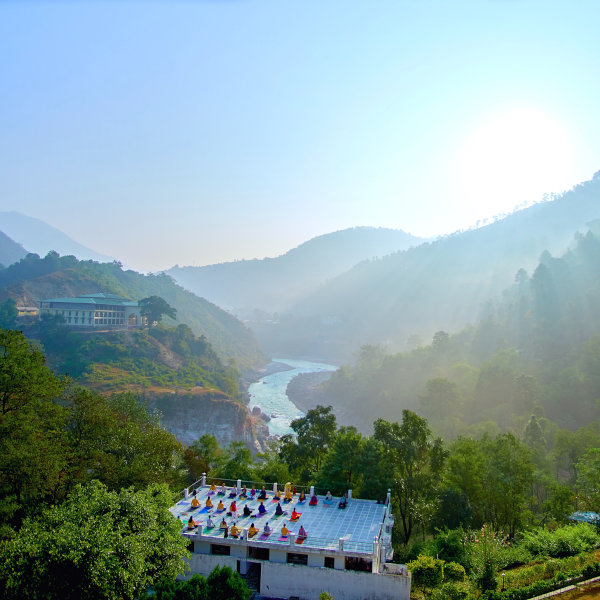
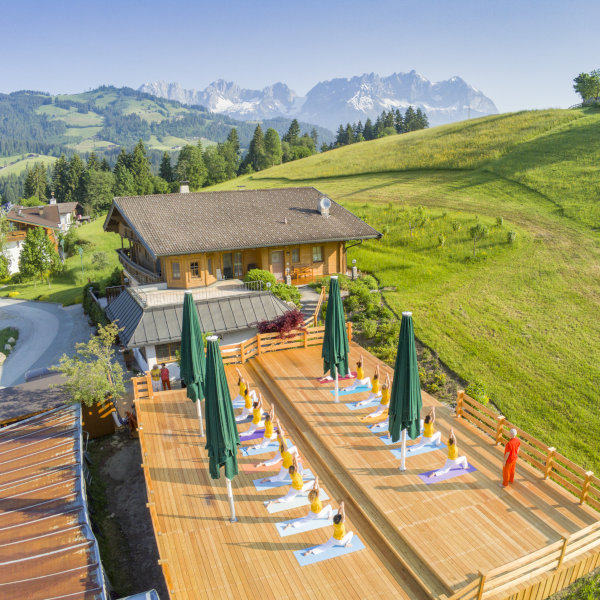
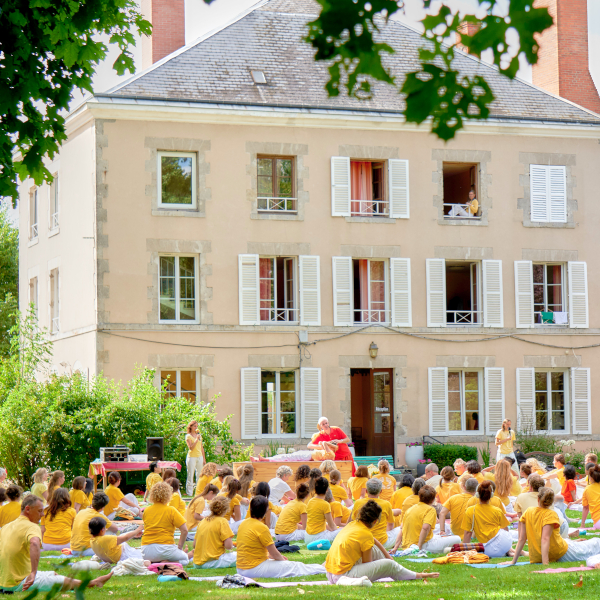
Choose from our popular destinations for yoga teacher training in Europe and North India.

Advanced Training Courses for Yoga Instructors

Popular Certificate Courses for Yoga Teachers

How Many Weeks is a 200 Hour Yoga Teacher Training?

This training is offered as a four-week intensive course.

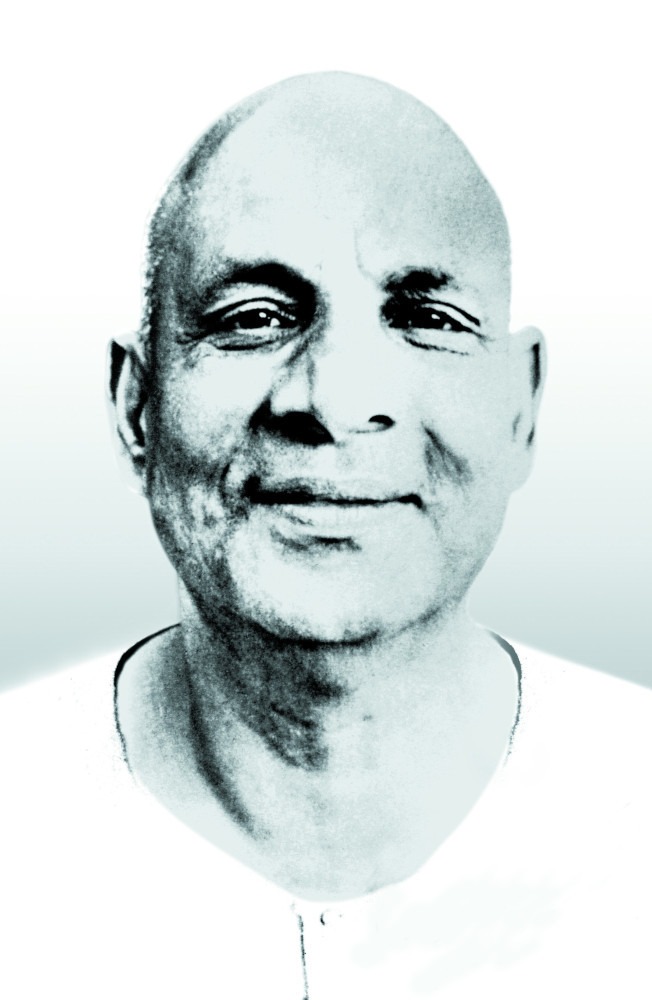
Swami Vishnudevananda retained India’s traditional Gurukula teaching system in which students and teachers live together in an ashram (centre for yoga and meditation). Through the direct contact with experienced teachers, the student’s day-to-day life during the course is transformed into a learning experience. Students advance both physically and mentally and enjoy a comprehensive yoga experience, which they can later transmit to their own students.

How Much Does Yoga Teacher Training Cost?

The cost of the foundation courses includes tuition and room & board and hence varies by location.

LocationWhen in English?Cost
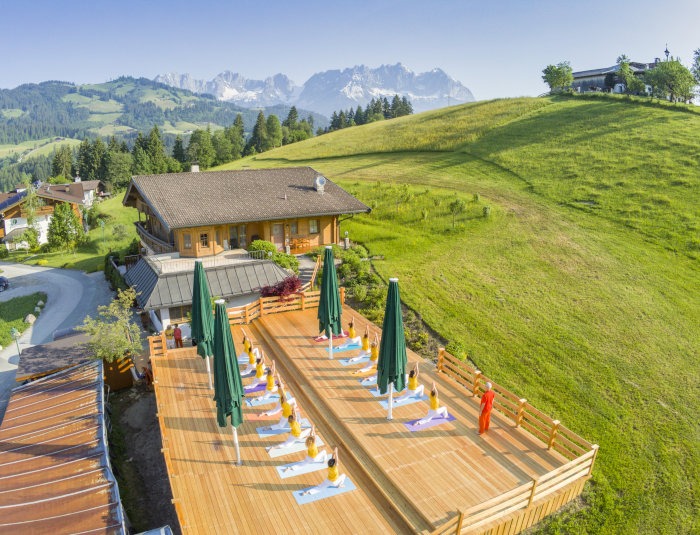
Tyrol, AustriaJan.–Dec.from €2,671
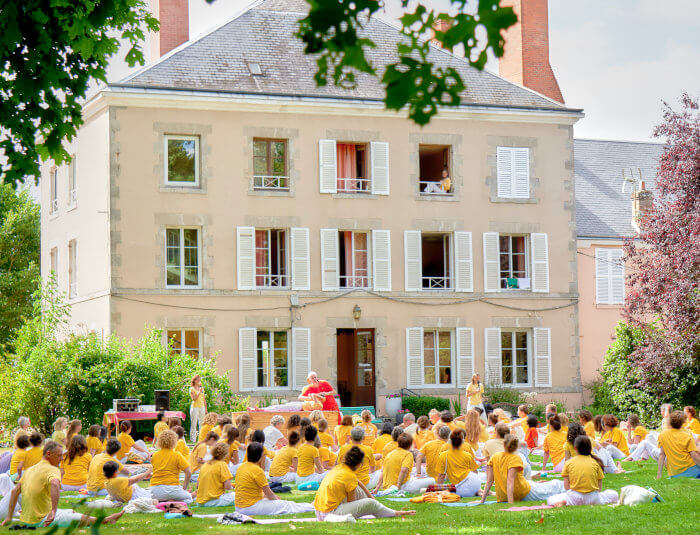
Orleans, FranceJune/Julyfrom €2,330
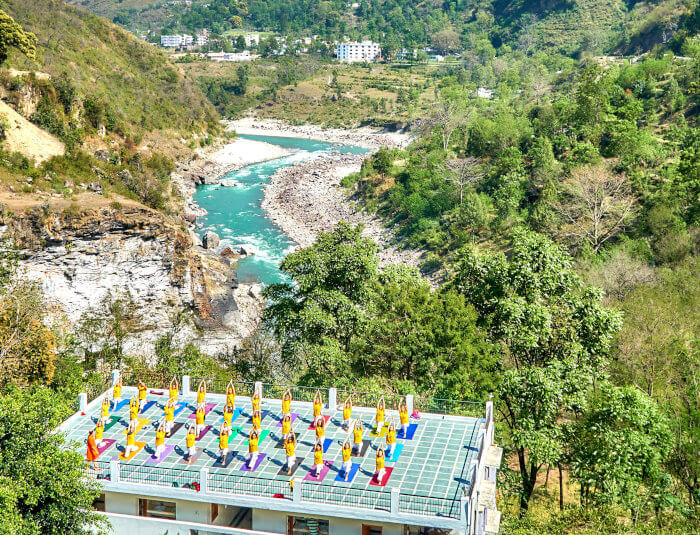
Rudraprayag, IndiaFeb./Mar. & Oct./Nov.from €3,100
Málaga, SpainAug./Sept.from €2,756
LithuaniaMay/Junefrom €2,100

Please visit the individual teacher training destination for more details.

FAQ

Can a beginner do yoga teacher training?

These are available at our centres; in our online shop or onsite in our boutique when you arrive.

Further recommended reading for at-home study

  • Meditation and Mantras by Swami Vishnudevananda, Motilal Banarsidass Publishers

  • Thought Power by Swami Sivananda, Divine Life Society, Rishikesh
  • Concentration and Meditation by Swami Sivananda, Divine Life Society, Rishikesh
  • And other books by Swami Sivananda

Also available at the Sivananda Yoga Centres or via the online shop.

Any Questions?

Contact us

Schedule a one-on-one meeting with one of the course teachers and ask any questions you have.

E-mail: teacherstraining@sivananda.net

Phone: +43 5356 67 404

WhatsApp: +43 664 75486334

Join a live online TTC info session

Saturdays, 5:30 – 6:15 pm (Central European Time)

Wednesdays, 7:30 – 8:15 pm (Central European Time)

This site is registered on wpml.org as a development site. Switch to a production site key to remove this banner.