Satsang
Home > Meditation > Satsang
Satsang lies at the very heart of the yoga practice. It is in Satsang that we come together – beginners and seasoned practitioners alike – to share in the silence, the chanting of mantras, and the timeless wisdom of yoga philosophy.
Meditating alone can be challenging, but in the company of others, the spiritual energy multiplies. A deep stillness settles, and the mind is more easily drawn inward.
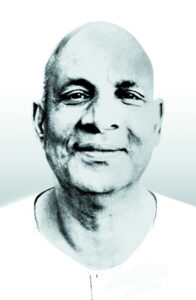
There is nothing so inspiring, elevating, solacing and delightful as Satsanga. Satsanga is the greatest of all purifiers and illuminators of man.
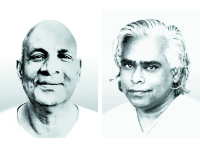
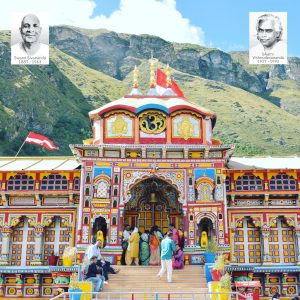
Swami Sivananda
The term Satsang is derived from two Sanskrit words: Sat, meaning truth or the absolute, and Sang, meaning association or company. Satsang therefore signifies “association with Truth” or “being in the company of the wise.” It refers to the practice of coming together with others for the purpose of spiritual upliftment, often through shared meditation, mantra chanting, scriptural study, and devotional activities.
Satsang is considered a vital aid in spiritual life. It nourishes the practitioner through the power of shared intention and concentrated spiritual energy.
Just as one candle may light a room dimly, many candles together produce a brilliant light. Similarly, Satsang creates a field of clarity and strength in which the individual mind is more easily aligned with higher truth.
Satsang also serves as an antidote to the distractions and tendencies of the mind, which, in isolation, may easily fall prey to tamas (inertia) or rajas (restlessness). In the uplifting company of others devoted to Truth, the mind gradually absorbs sattva — purity, harmony, and clarity.
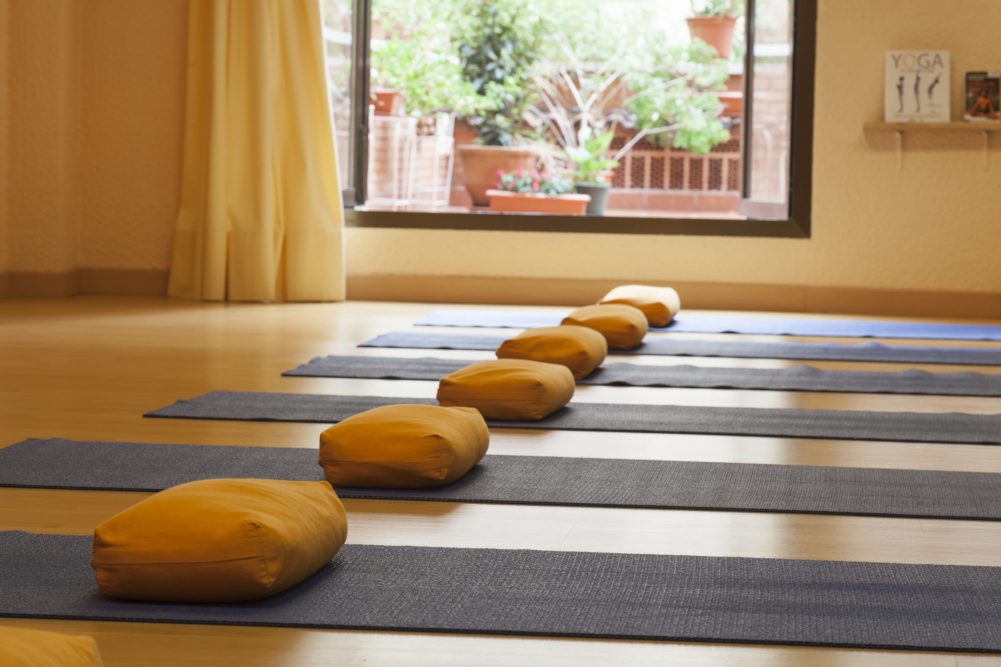
A traditional Sivananda Satsang begins with silent meditation, usually guided by a mantra. The mantra may be recited aloud, whispered, or repeated mentally. Mental repetition or japa is the most powerful and is often encouraged during the silent portion of Satsang.
This is followed by chanting or kirtan — the joyful repetition of divine names, often accompanied by harmonium and other traditional instruments. This chanting serves to purify the atmosphere and elevate the mind.
Scriptural readings or spiritual talks follow the meditation. These may include teachings from the Bhagavad Gita, the Upanishads, or the works of Swami Sivananda and Swami Vishnudevananda. Such readings nourish the intellect and awaken intuitive understanding.
The gathering concludes with arati, a short devotional ritual involving light, incense, and offerings, which symbolizes the surrender of the ego and the awakening of divine light within.
To benefit fully from Satsang, the most important requirement is sincerity and a receptive attitude. Come as you are, and allow the spiritual vibrations to do their silent work.
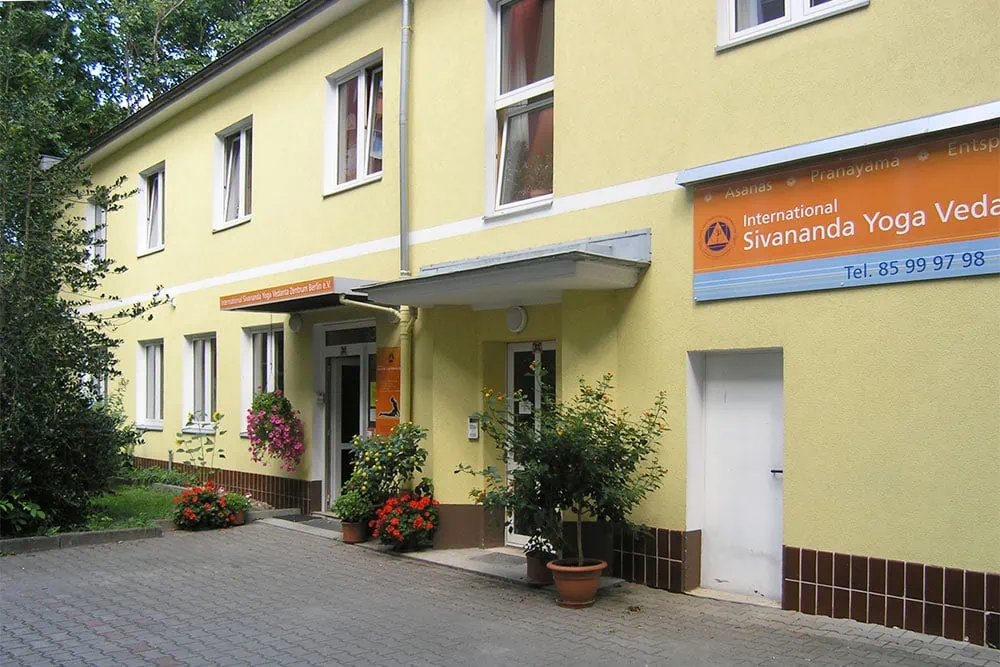
If you are not able to attend a Satsang in person, you may join the online Satsangs offered by the Sivananda Yoga Retreat House in Austria, and other Sivananda centers around the world. While the physical presence of a group has its own power, spiritual energy is not limited by space.