"Eat moderately what you know by experience is agreeable to you and what is digestible. Simple diet is best."
Contents
Breakfast – Yoga Recipes to Start the Day
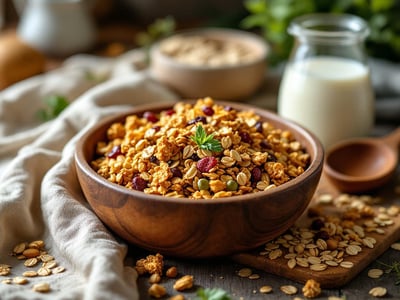
The morning meal, more than any other, reminds us of the essential function of food – to fuel our bodies. When most of us think of breakfast, only a few foods and beverages come to mind. But here we offer an interesting and health-filled variety to choose from. As with all meals, the good breakfast should strike a balance between the different categories of food. Whole grains, in the form of cereals, breads or pancakes, provide a rich source of complex carbohydrates. The inclusion of fruit satisfies the longing for sweetness. Protein in the form of tofu or pulses helps to raise the basal metabolic rate, giving a feeling of energy and well-being.
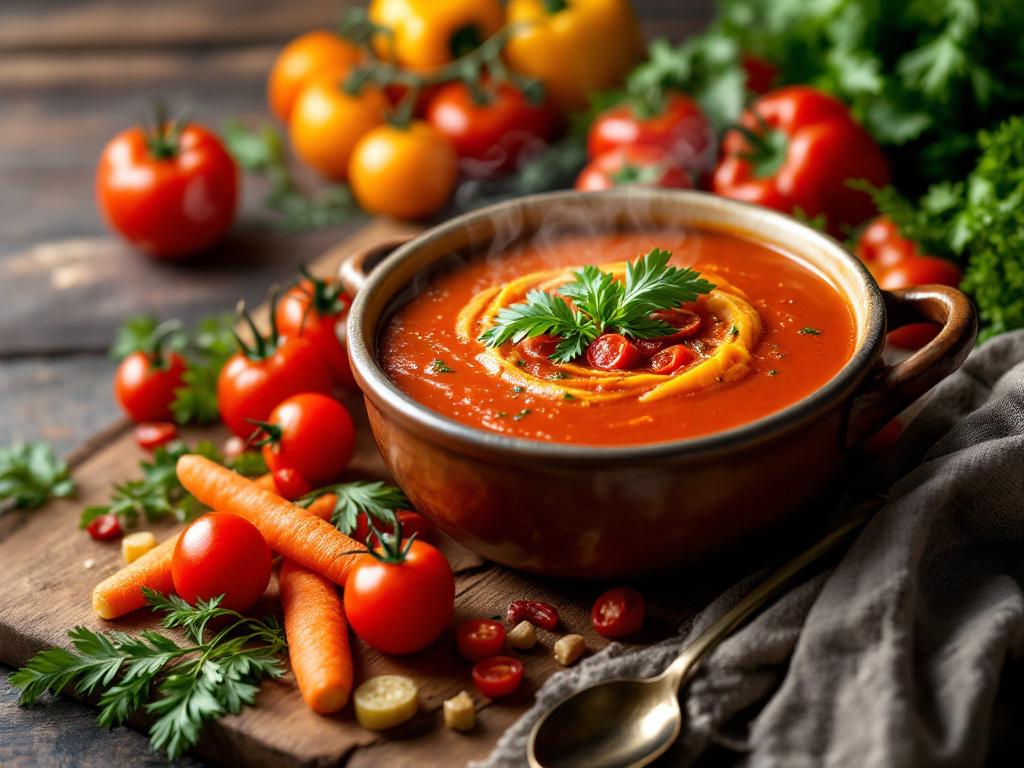
At the start of a meal, or as a main meal in itself, soups are nutritious, satisfying and easy to prepare. Nothing is more warming or fulfilling than a hearty bowl of soup on a cold day – it nourishes both body and soul. On a warm summer’s day, a light soup is refreshing.
Glorious Grains – The Main Source of Carbohydrates
The yogic diet is essentially grain-based. The yogic diet is essentially grain-based. Whole grains are the primary source of carbohydrates, the origin of energy for the human body. Complex carbohydrates are abundant in nature, relatively inexpensive and filling. Unrefined grains are rich in fibre and B vitamins and supply about half of the amino acids that form protein. They should be eaten every day, preferably with foods containing complementary proteins, such as pulses. Most of the world’s population survives on a diet of pulse and grain combinations.
Protein supplies the physical materials for growth and the repair of cells and tissues; as the body requires continual overhauling and renewal, a constant supply of protein is needed. Proteins are formed by the linkage of 22 different ‘building blocks’ called amino acids. The value of protein depends on its amino-acid content. The difference between proteins is due to the number, arrangement and proportion of the different amino acids.
Pulses (beans) are the most common sources of vegetarian protein, but nuts, seeds and cheese are also excellent. Pulses combined with grains form the basics of a vegetarian diet. Pulses are low in fat, high in fibre and rich in iron, B vitamins and trace minerals. Whereas many plants rob the soil of vital nutrients as they grow, pulses take nitrogen from the atmosphere and restore it in large amounts to the soil. By nourishing your body with pulses, you also help to nourish the planet.
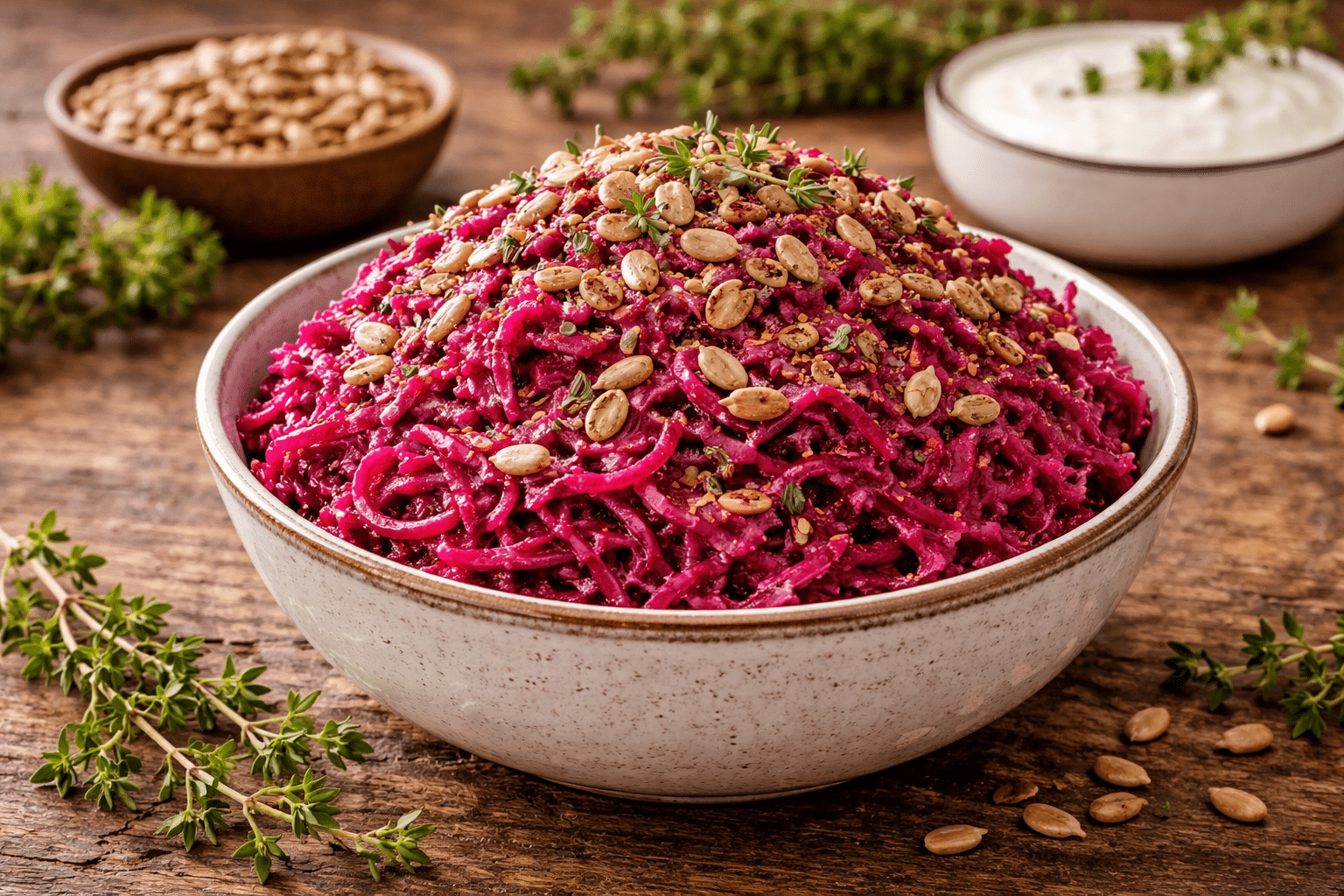
Vegetables are not only an excellent source of vitamins and minerals, but also contain phytonutrients that are thought to protect against cancer. They have an alkalizing effect on the body, so should form a large part of everyone’s diet. In addition to the vegetables in your main dish, always try to include some cooked vegetables as a side dish.
Raw vegetables should be a major component of any healthy diet. Use whatever vegetables are in season. Try not to combine too many different food groups.
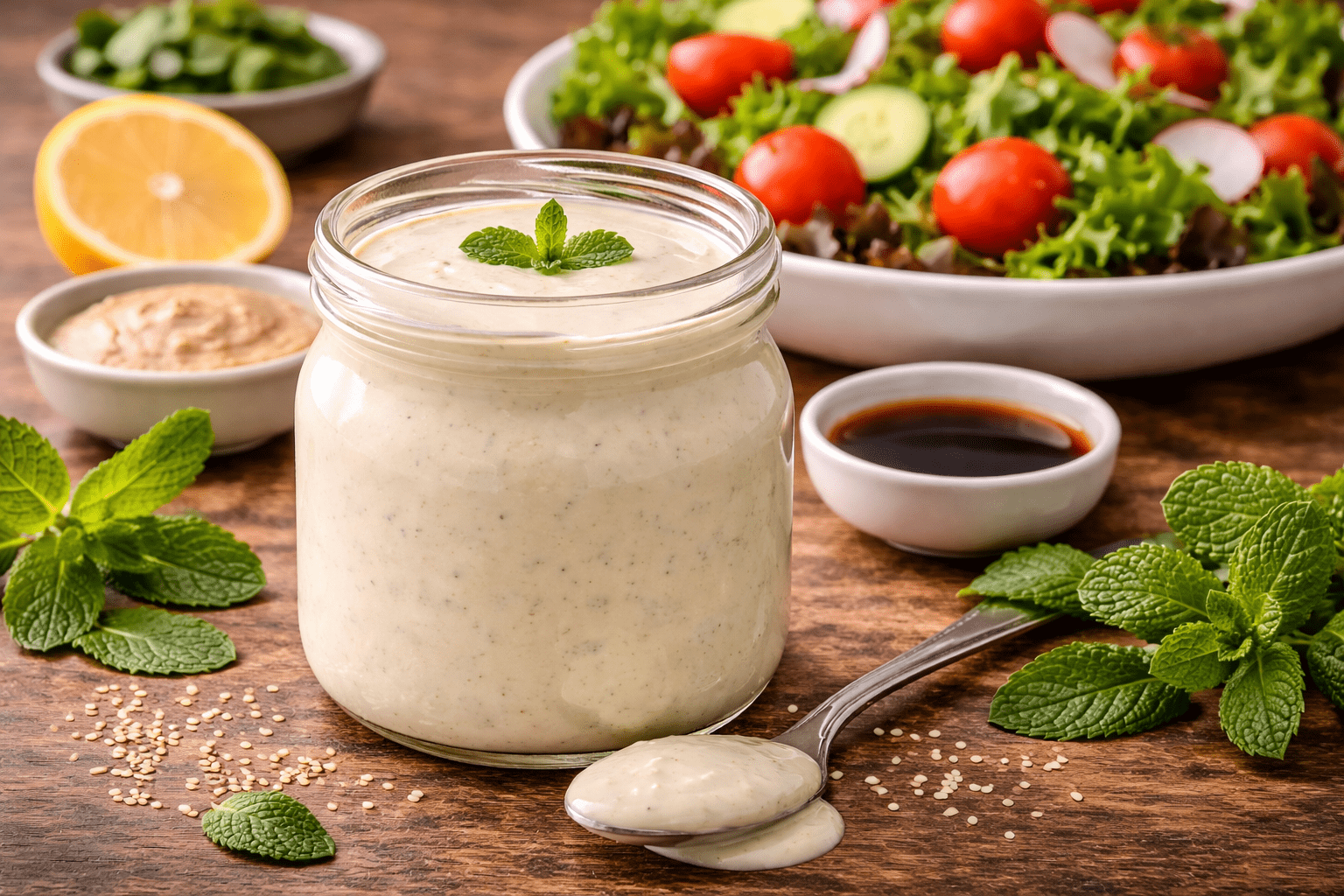
While most vegetables, grains and proteins taste good by themselves, a simple sauce or salad dressing can help to light the digestive fire. It is this digestive fire that ‘cooks’ the food within the body, transforming it into blood, flesh and bone. Adding a finishing touch such as a dressing or sauce can turn a simple dish into a special meal.
Sweets should be used as occasional treats, and not as staple foods. In that context, especially when served as part of a celebration or with friends and family, they should be eaten with joy, love and an easy conscience!
Eat at fixed times. If you do not feel hungry at meal time, fast until the next meal.
Cook only as much as you can eat. Reheated food has very little vital energy left.
Eat raw vegetables at least once a day. That prevents the blood from becoming too acidic.
Eat slowly and enjoy your food. Chew your food thoroughly. Digestion starts in the mouth.
Eat only 4 or 5 kinds of food at one meal. It is difficult to digest complex combinations of food.
Try not to snack between meals.
Do not overload the stomach. Fill it halfway with solid foods and a quarter with liquids. One quarter should remain empty for the natural development of gases.
Avoid conversation about problems or negative thoughts while eating. Do not eat when you are angry. Toxins are secreted by the glands when you are angry and released into the blood stream. Rest for a while until the mind becomes calm and then eat your food.
Try to fast one day a week. Fasting eliminates toxins, regenerates the bodily functions and gives rest to the organs.
Eat to live, don’t live to eat.
This site is registered on wpml.org as a development site. Switch to a production site key to remove this banner.