Yoga Asanas
Sivananda Yoga
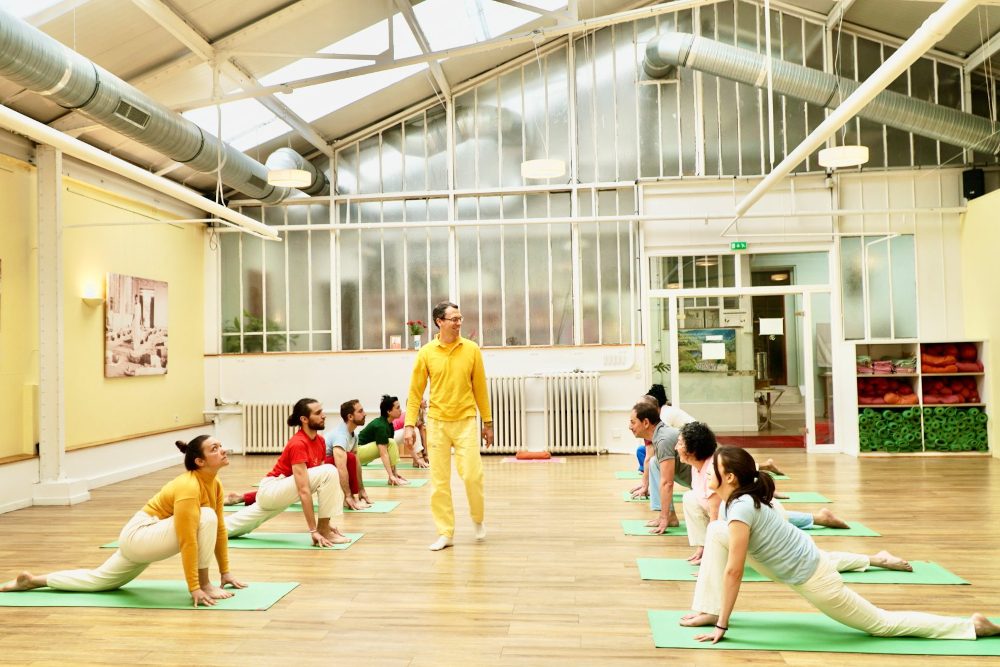
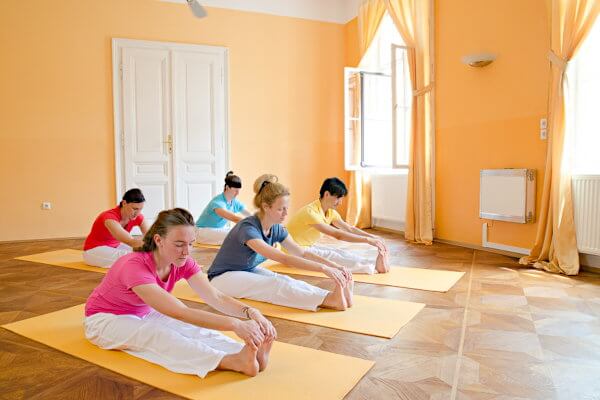
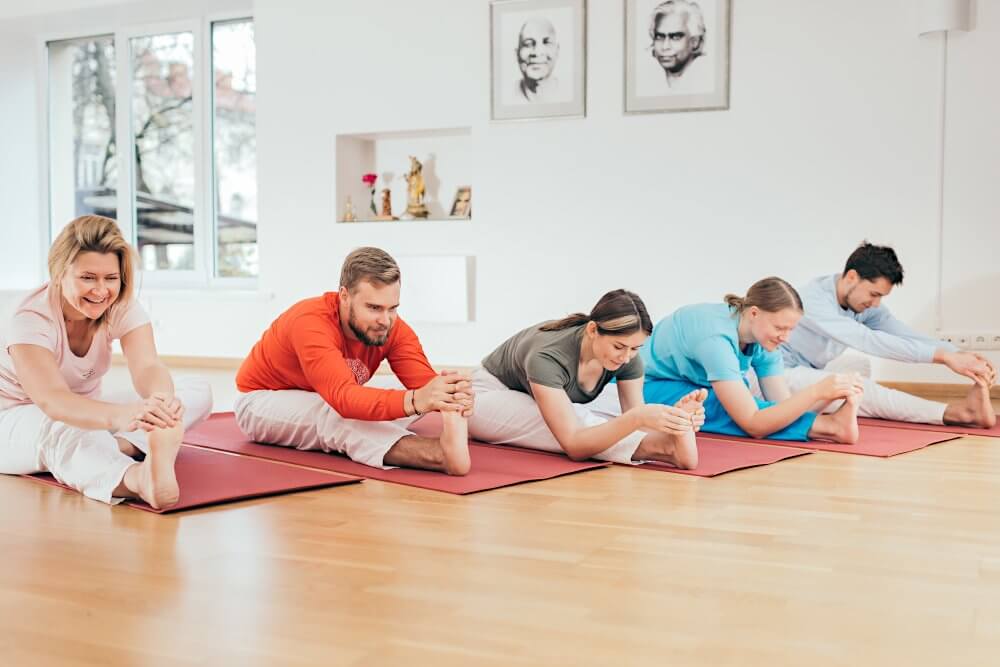
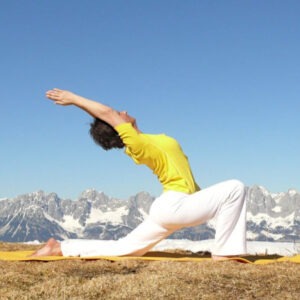
Discover the twelve postures that form the foundation of a Sivananda Yoga class. Practised in sequence, they work systematically through the body, helping to develop flexibility and strength while giving particular attention to the spine. Yet the practice is not intended as physical exercise alone. Each posture is approached with awareness and combined with conscious breathing and relaxation, allowing effort to settle into steadiness. Over time, the sequence can calm the mind and become a practice of concentration. Explore the individual asanas to understand their place in the sequence, learn the preparatory steps and observe important cautions. You can also experience the complete practice with a teacher at a Sivananda Yoga centre.
The Sanskrit word asana means “steady pose.” In the Raja Yoga Sutras of Patanjali, asana is the third of the eight limbs of Yoga. The sutras describe an asana as a posture that is both steady and comfortable, meaning the body is supported and alert without becoming tense. When we can stay in a posture without strain, the body is less likely to distract the mind.
These qualities develop gradually through gentle, regular practice. Instead of forcing the body, we learn to let go of unnecessary effort and find greater ease. As the posture becomes steadier, we are less disturbed by sensations such as heat and cold or comfort and discomfort. The goal is not to create a perfect shape, but to become steady and at ease within the pose.
The ultimate goal of Yoga is Self-realisation – recognising our true nature beyond the changing body and mind. Asanas support this journey by creating a steady foundation for concentration and meditation.
Practised regularly and with awareness, asanas offer benefits that extend beyond physical flexibility:
Greater flexibility, tone and strength
Asanas stretch and tone the muscles, increase movement in the joints, and help keep the muscles, tendons and ligaments flexible.
A strong, flexible spine
The postures work especially on the spine and central nervous system, helping the spine maintain its strength, mobility and flexibility.
Improved circulation
Asanas stimulate circulation, helping to bring nutrients and oxygen to the cells of the body.
Support for the internal organs
Many postures gently stretch, compress or massage the internal organs, supporting their function and the digestive process.
Release of physical and mental tension
Asanas release muscular tension and retrain the muscles to relax. Steady, rhythmic breathing and concentration on the breath help calm and focus the mind, while slow, deep breathing and conscious exhalation support the release of physical tension.
Improved concentration
Asanas develop concentration; steady and balancing postures particularly train attention and help prepare the body and mind for meditation.
Greater vitality
Asanas increase prana, or vital energy, and support its proper flow, contributing to vitality, strength and regeneration.
Sivananda Yoga
These twelve postures form the foundation of the Sivananda Yoga class. Together they offer a systematic practice for the whole body. Select an asana to discover its benefits, preparatory exercises, step-by-step guidance and important cautions.

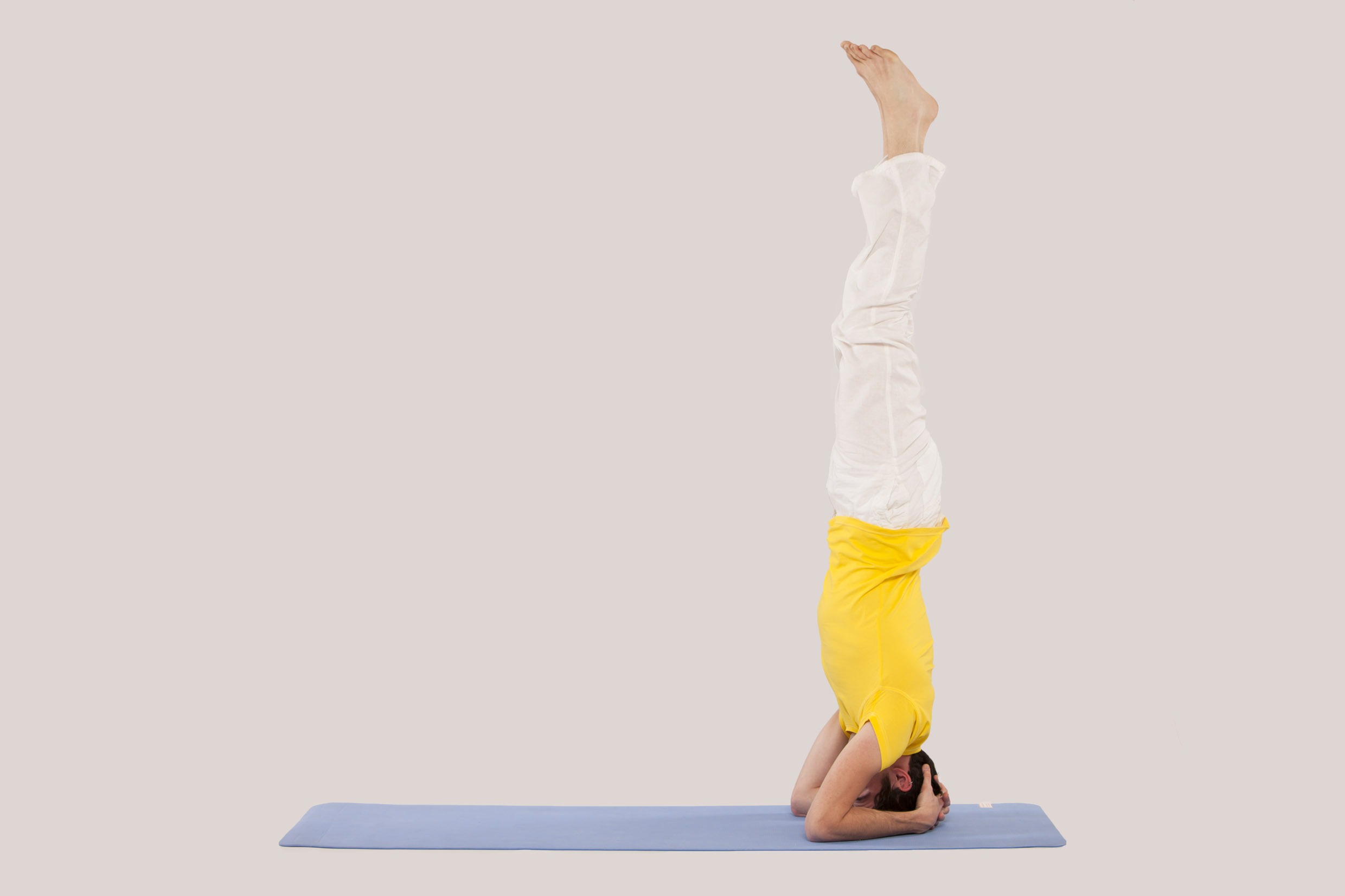
SIRSASANA

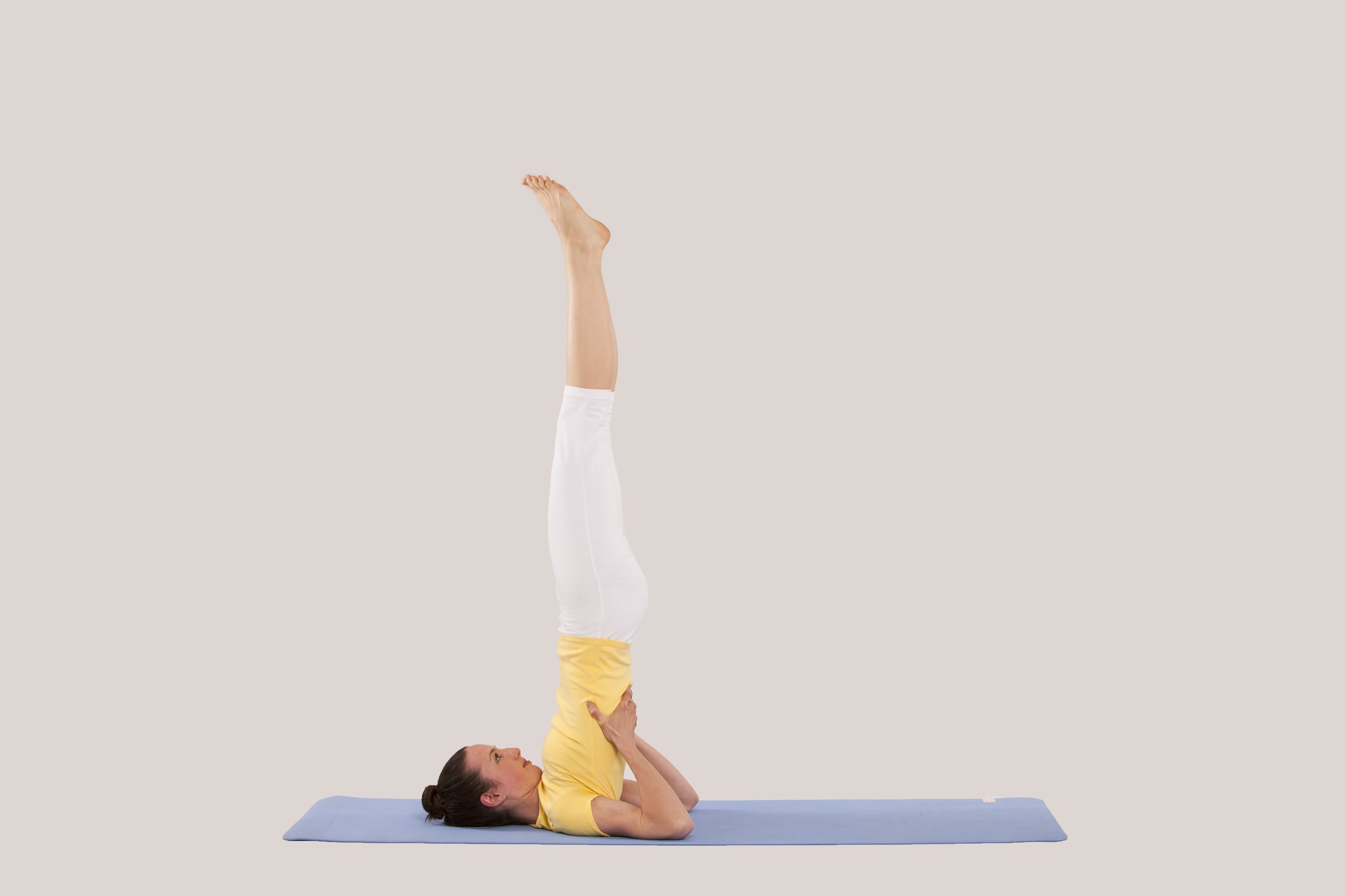
SARVANGASANA

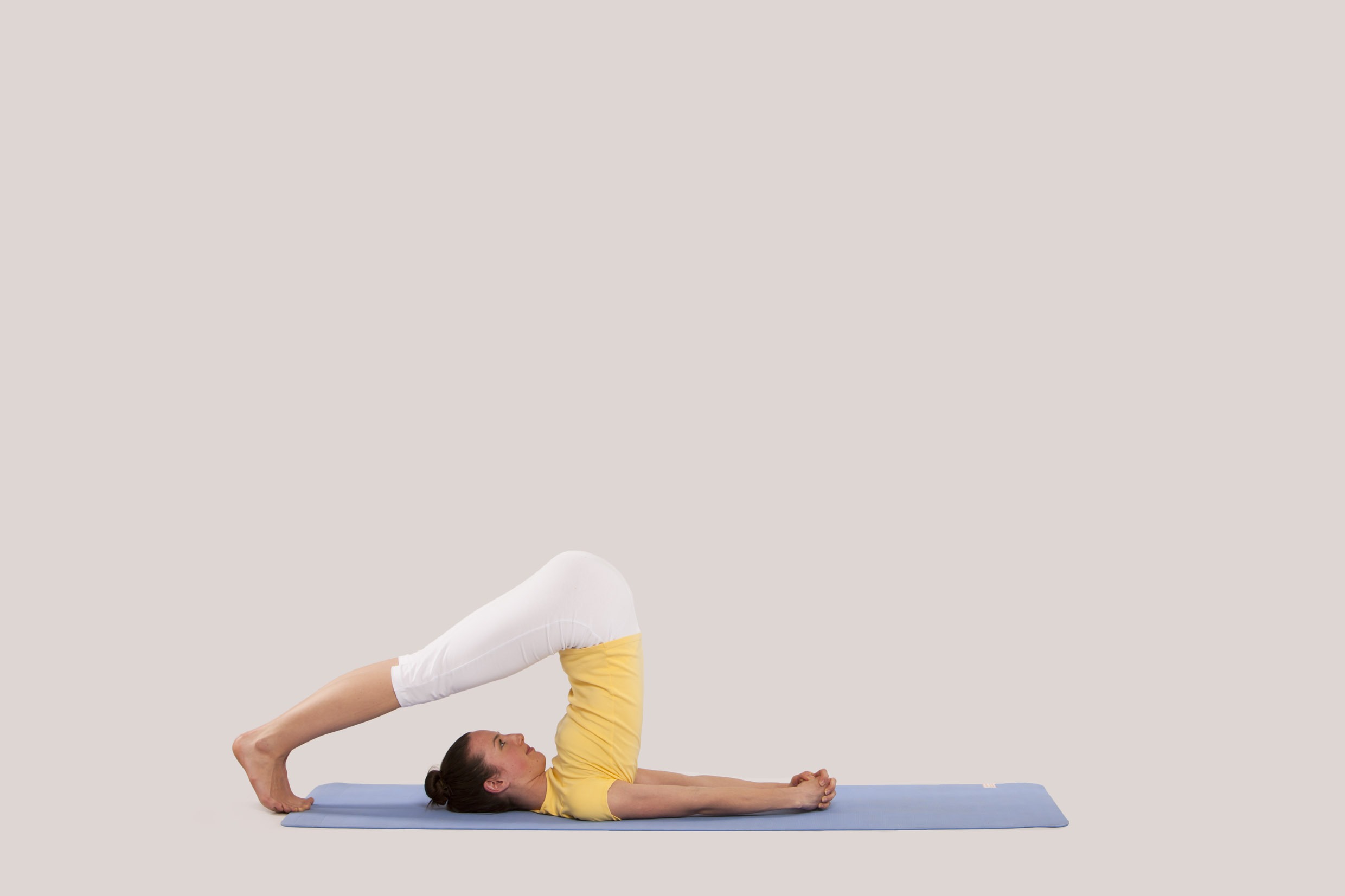
HALASANA

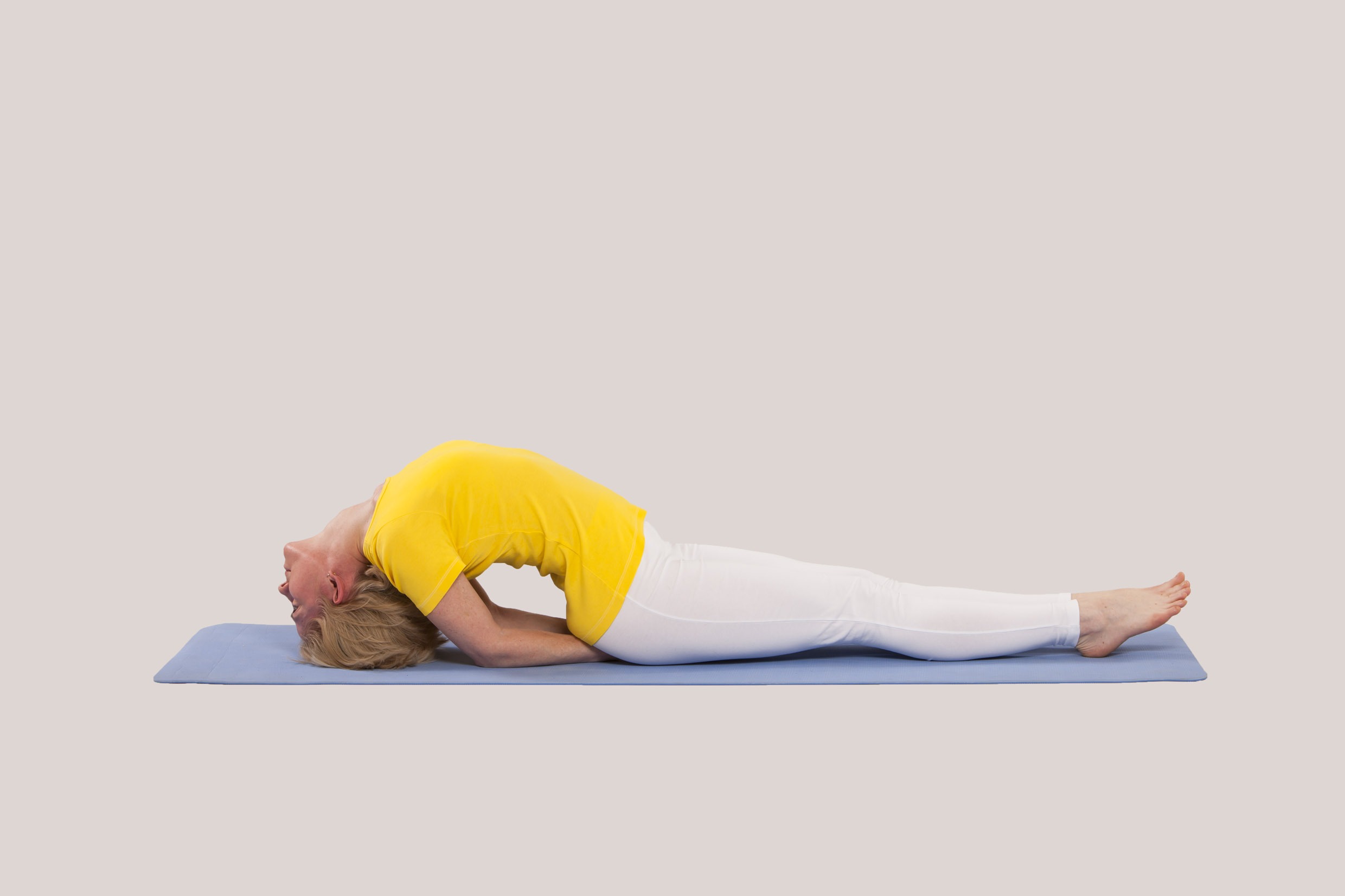
MATSYASANA

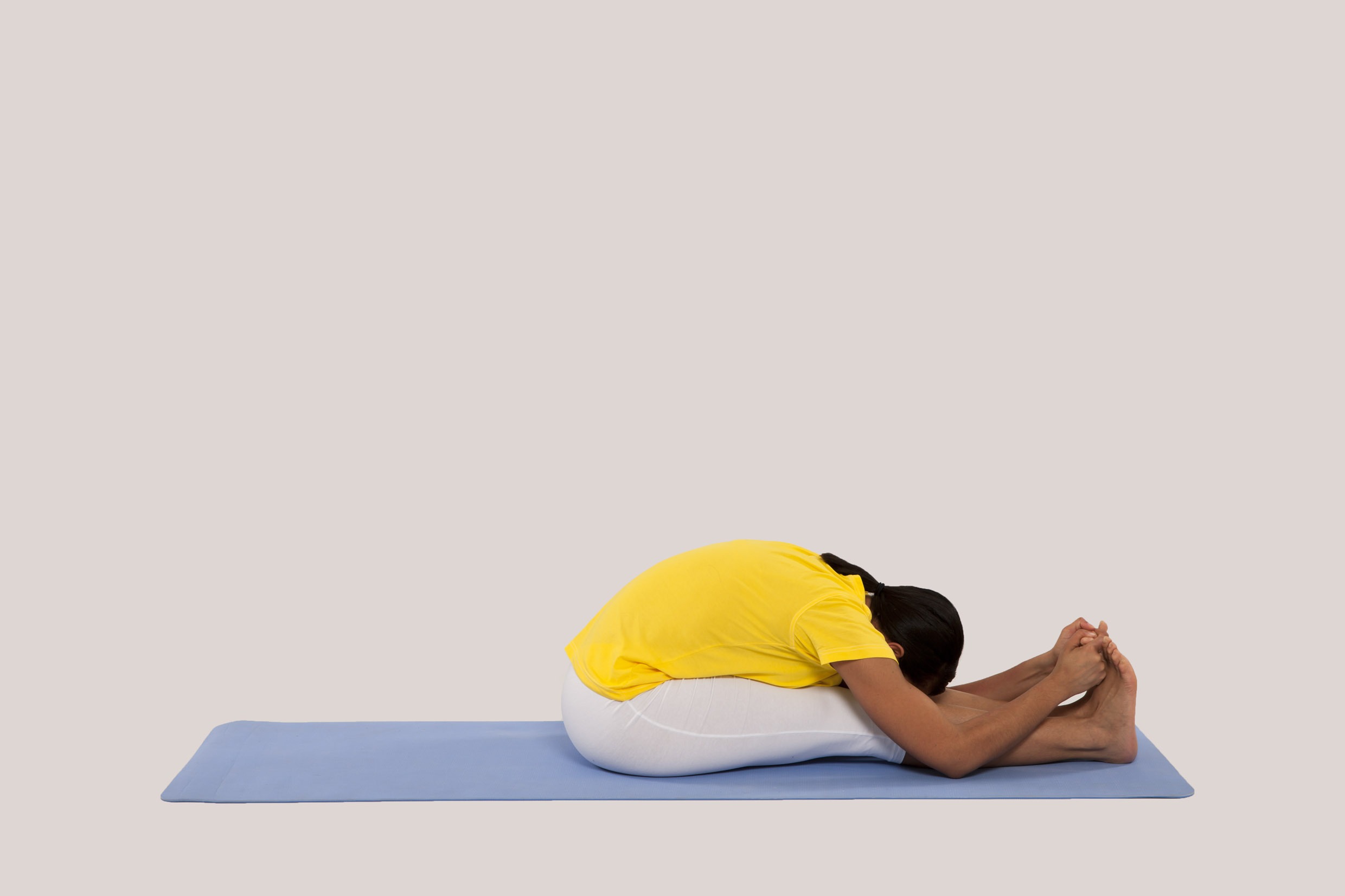
PASCHIMOTTANASANA

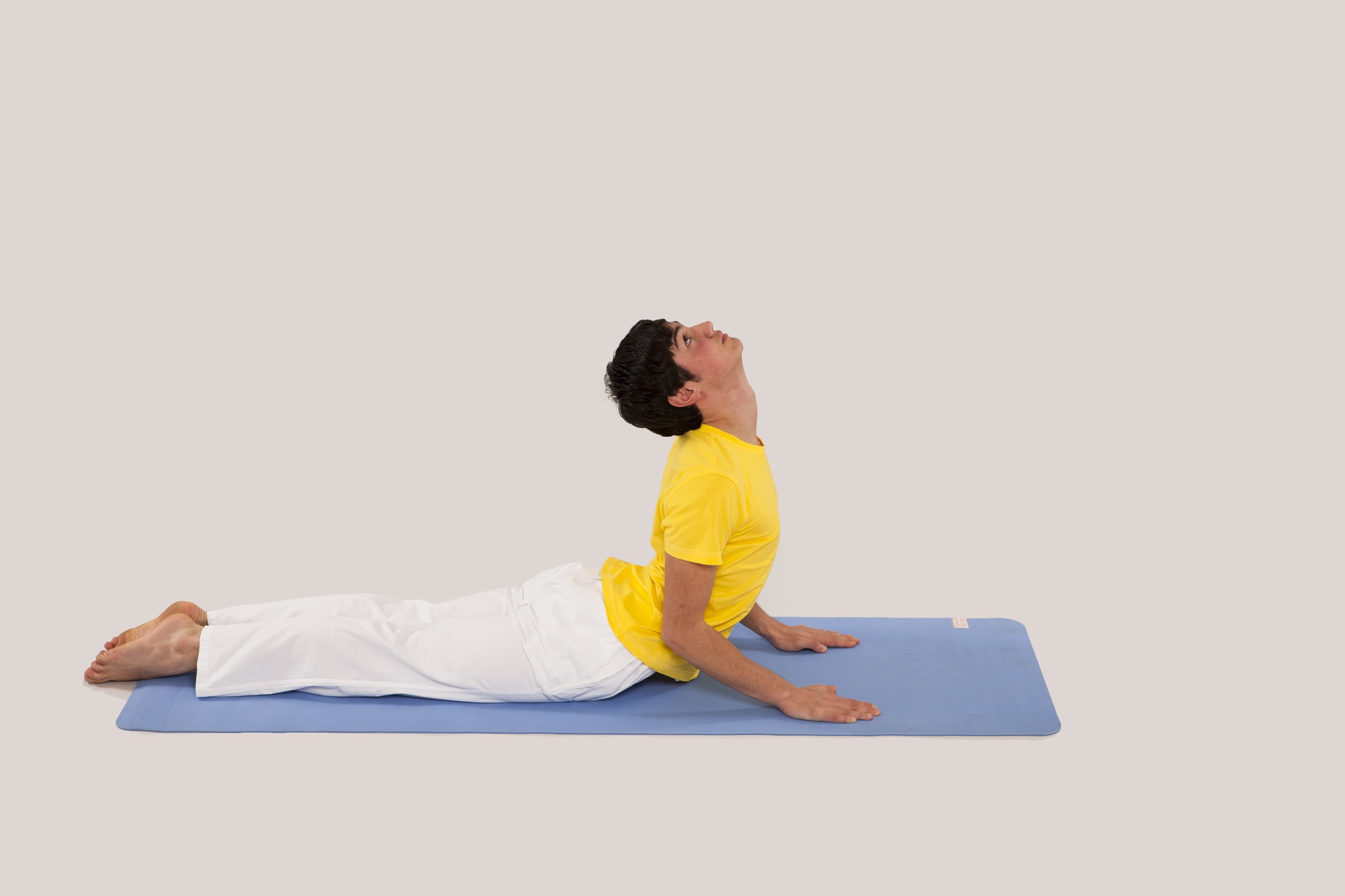
BHUJANGASANA

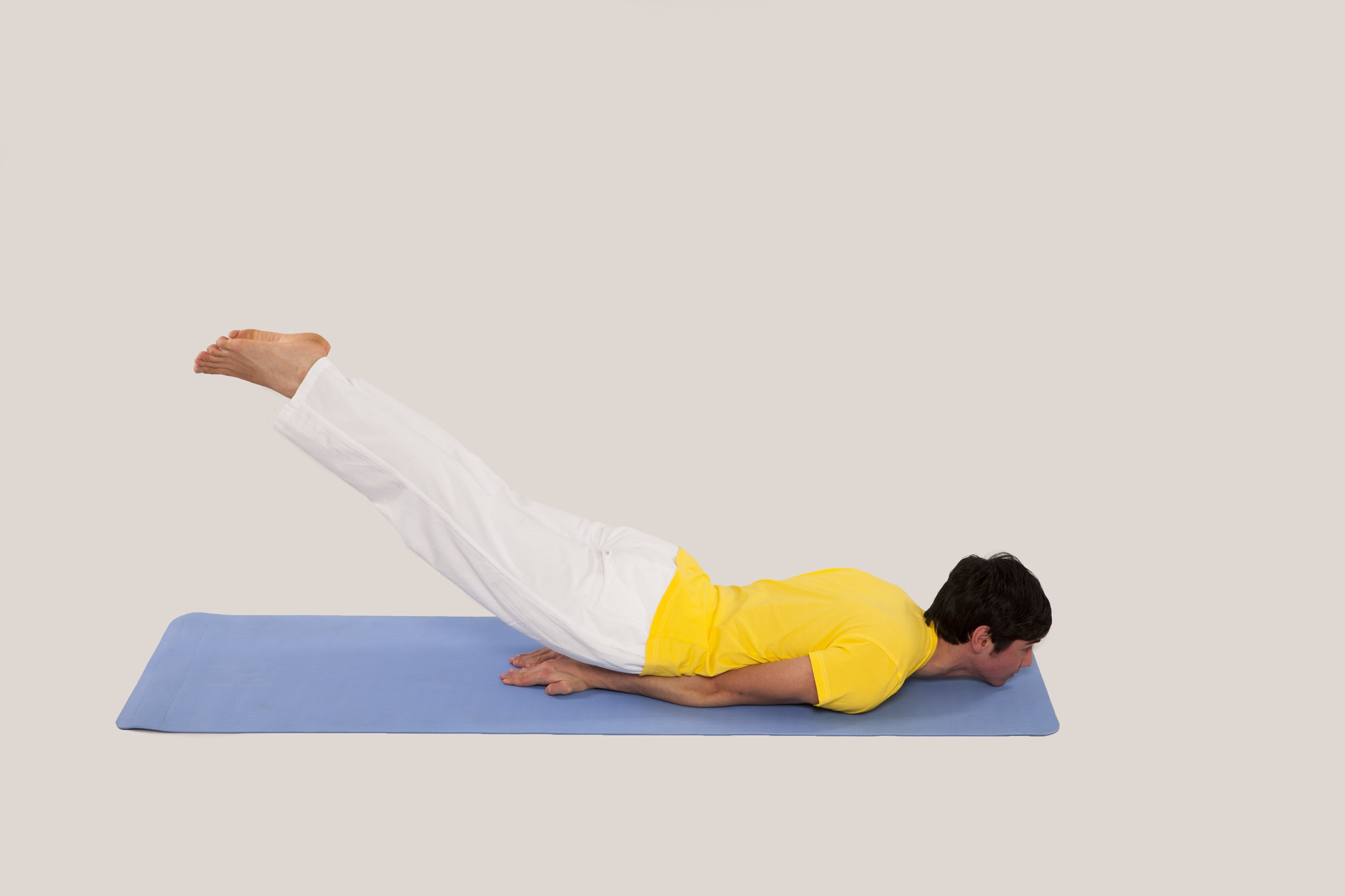
SALABHASANA

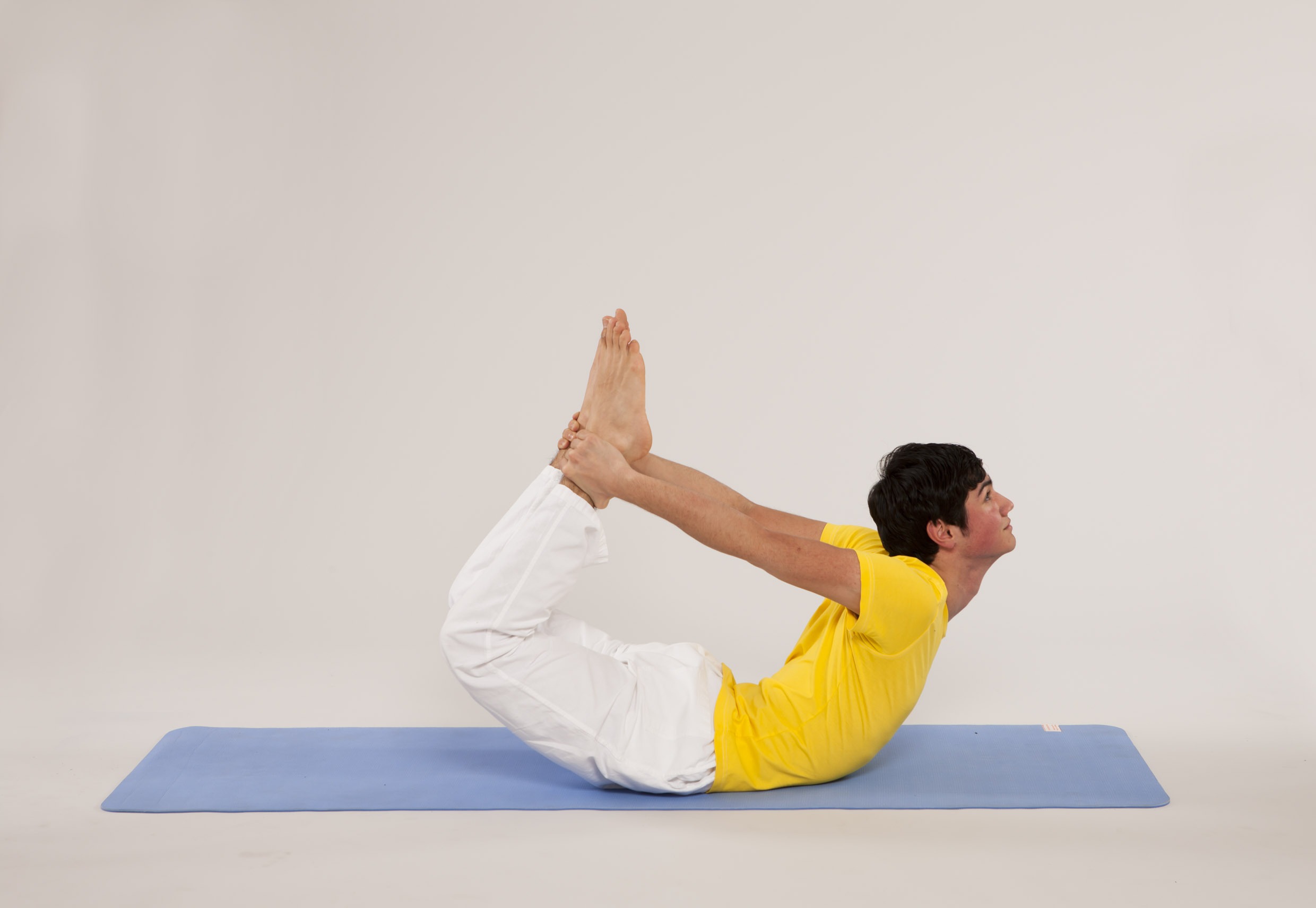
DHANURASANA

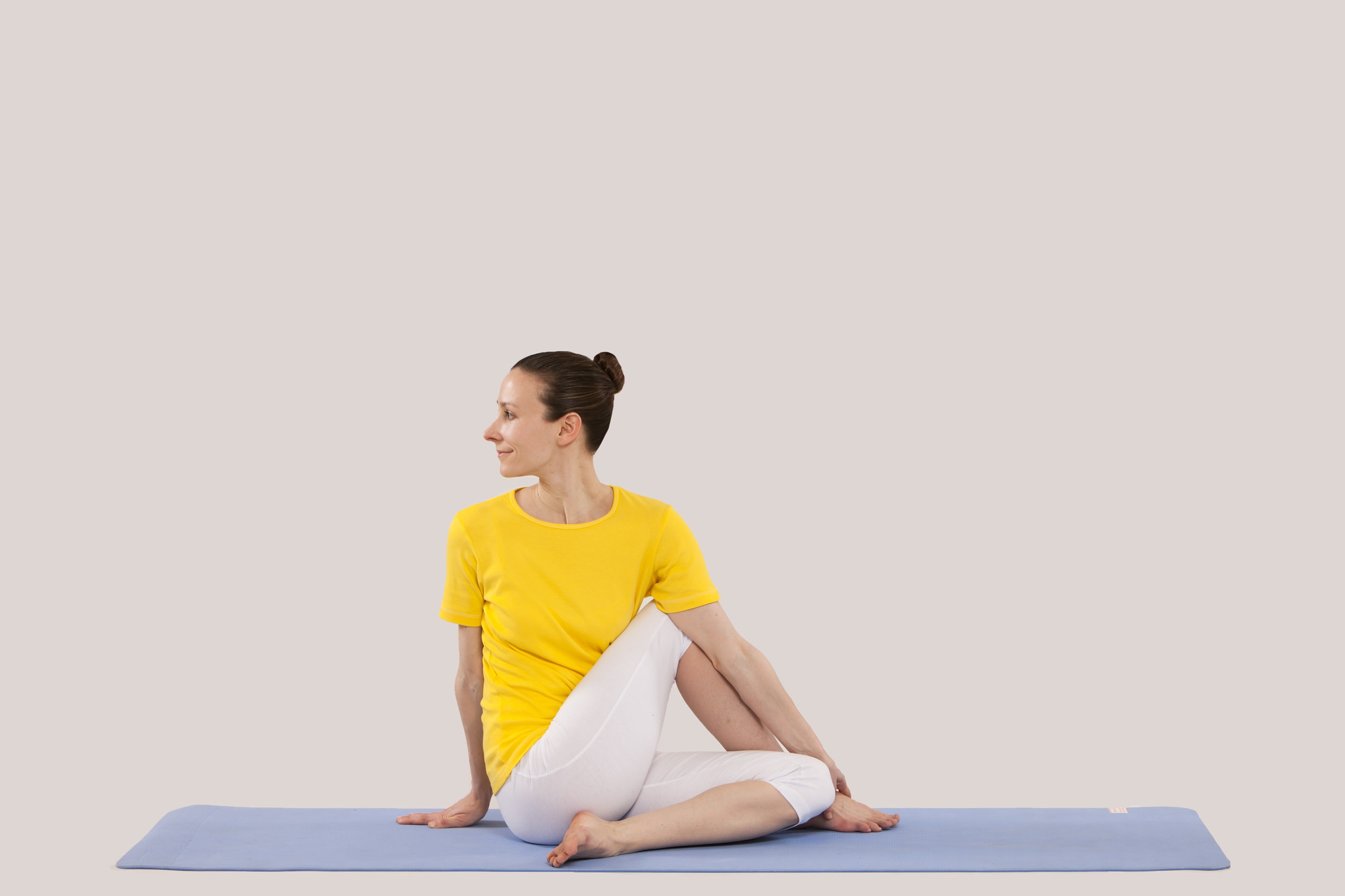
ARDHA MATSYENDRASANA

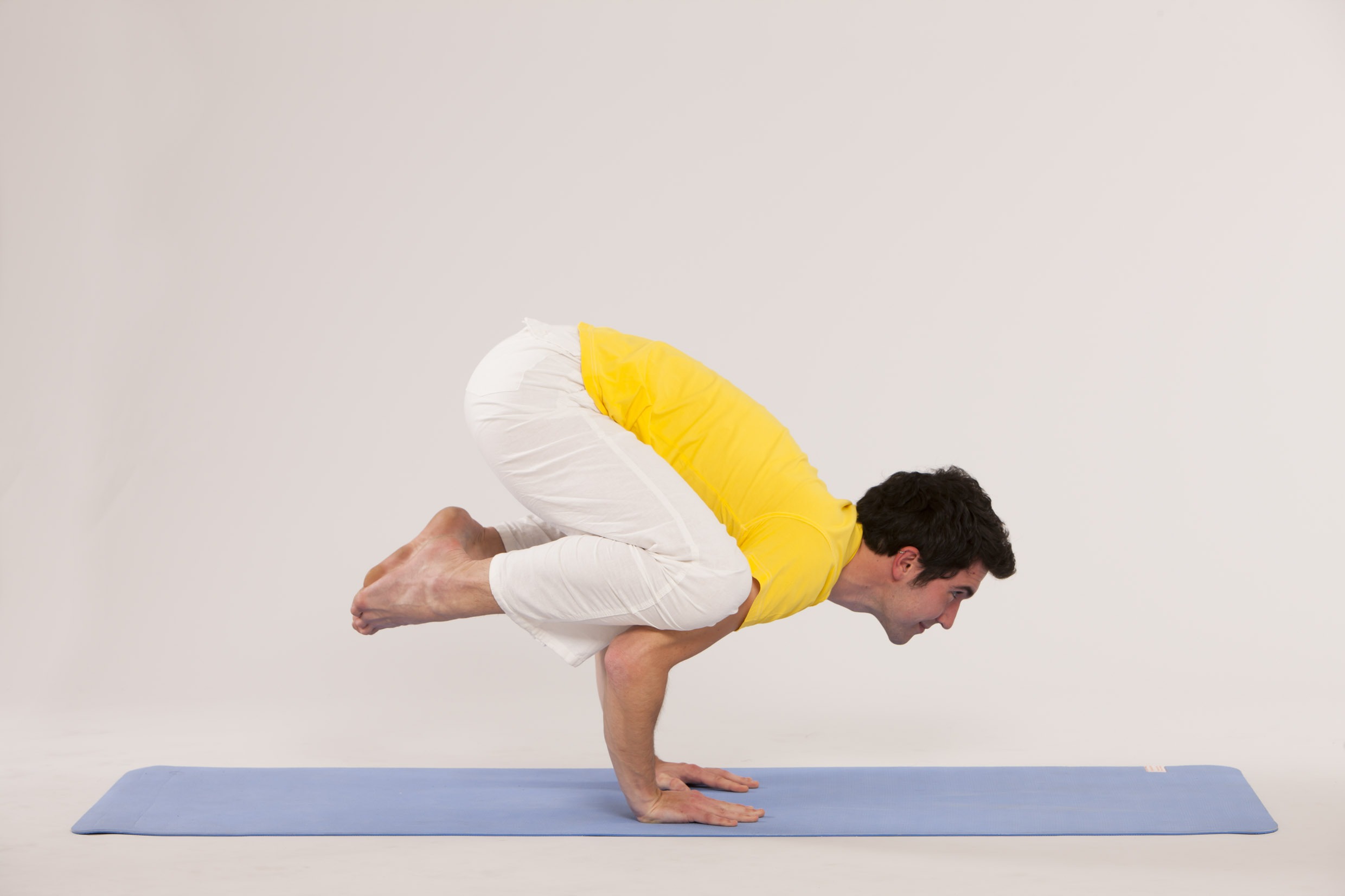
KAKASANA

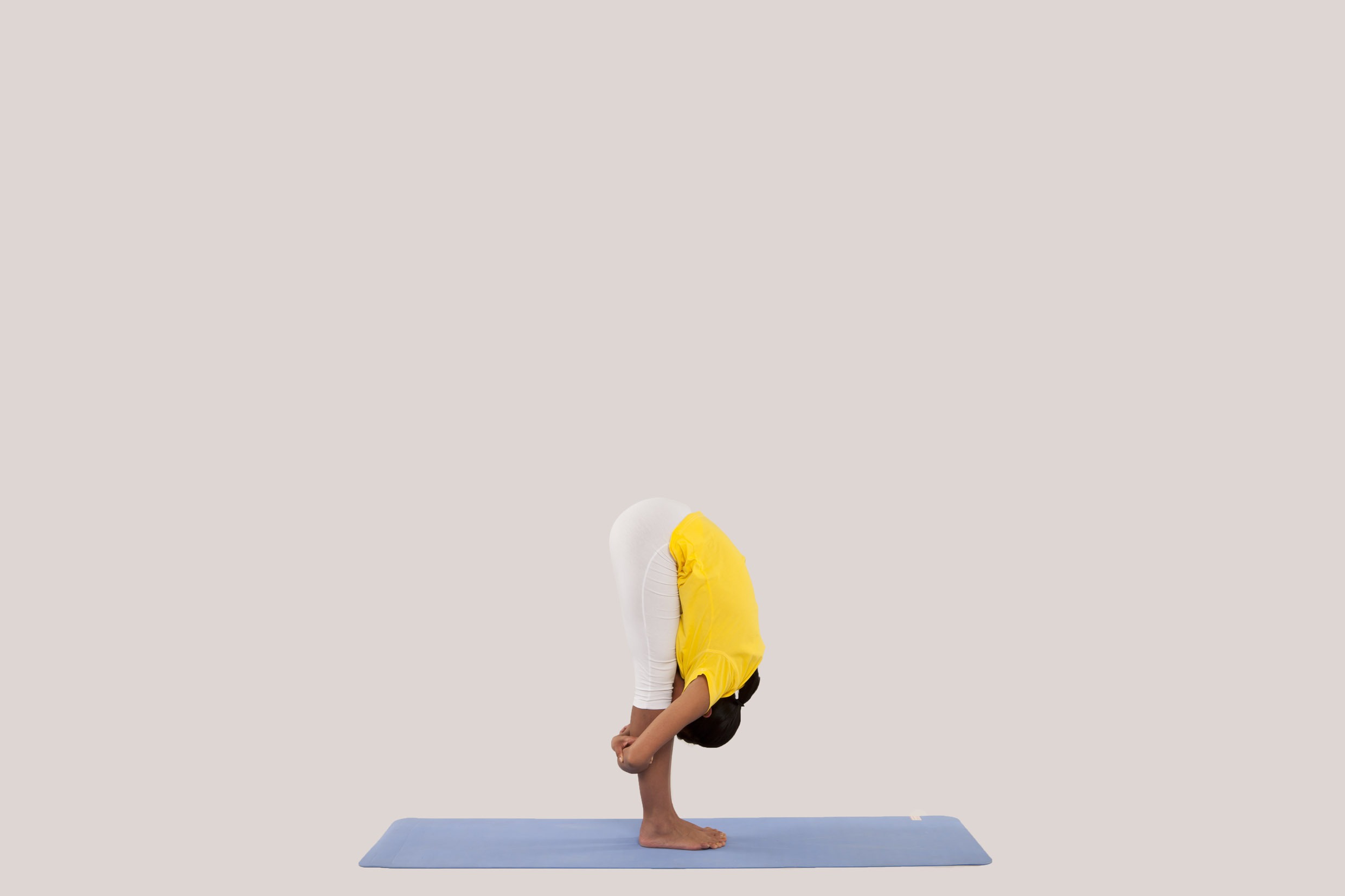
PADA HASTHASANA

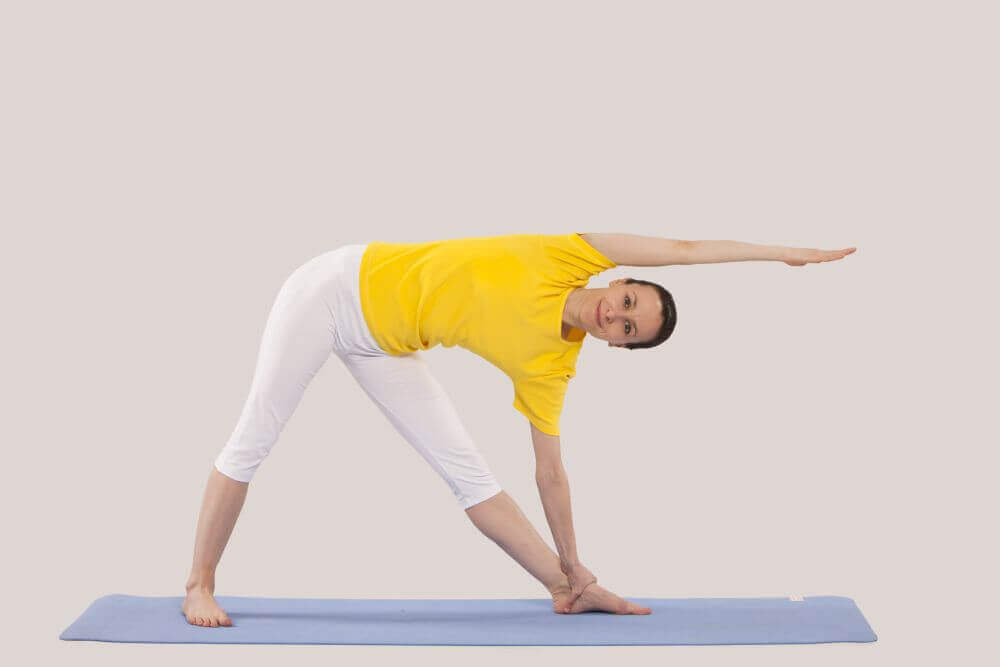
TRIKONASANA
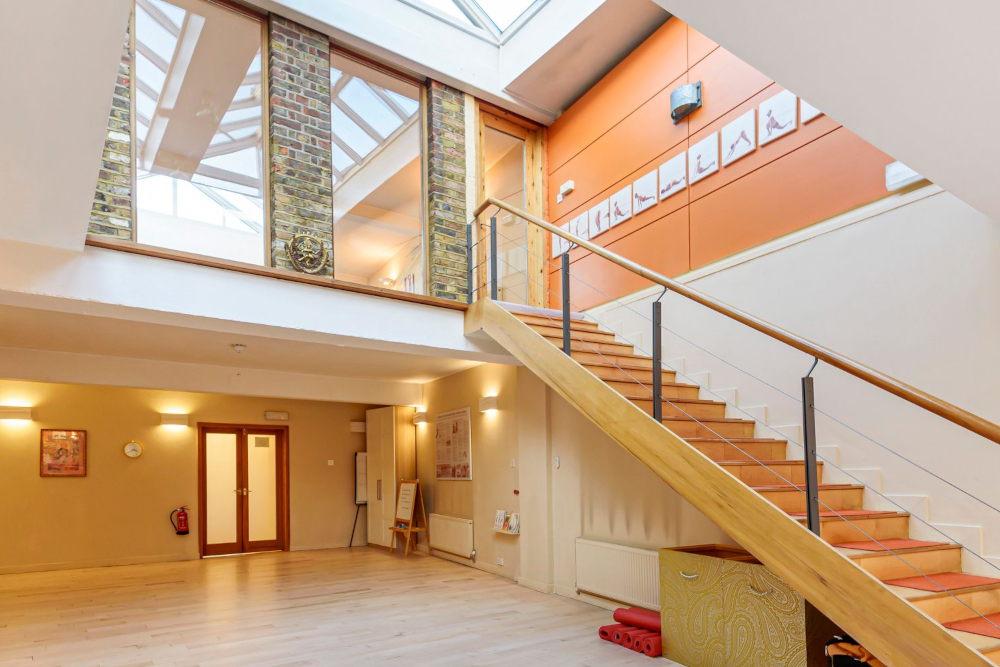
A Sivananda class offers a gradual way to become familiar with the sequence, together with breathing and relaxation. Choose your nearest centre to view its current timetable, class levels and booking information.