Meditation Techniques

Meditation for Beginners: Simple How-To Exercises and Techniques

Meditation is a state of relaxed concentration – and beginners can learn it by starting with simple preparation and steady practice.

This page offers clear, beginner-friendly meditation techniques to help you start: how to set up a quiet space, choose a regular time, sit comfortably, breathe rhythmically, and gently train the mind to focus.

Try a few easy exercises, pick one method that feels natural, and return to it daily to build calm, clarity, and inner peace.

Contents

Physical Meditation Techniques

set things up so the mind can settle

Physical meditation refers to the physical conditions you create for your practice – place, time, habit, posture, and breathing. When these basic meditation requirements are met, it becomes much easier for the mind to settle and focus.

Create a simple meditation space

Choose a place that is quiet and free from distractions, with a comfortable temperature.

Keep the space clean and tidy. A simple focal point can help you settle quickly: a clean cloth, an uplifting picture or symbol, and fresh flowers if you like. Lighting a candle can remind you of tuning to inner light, and incense may help create a calm mood.

If you can’t set aside a whole room, simply choose one corner of a room and use it consistently. Keep a candle and an uplifting image at eye level, and return to the same spot each day. Even a short moment of steady attention – such as calmly gazing at a candle flame before you begin – can help the mind turn inward.

Pick a consistent time to sit for meditation

Traditional guidance recommends dawn or dusk. If that doesn’t work for you, choose another quiet time – before you start your day, before bedtime, or any time you’re least likely to be disturbed.

Consistency is very important at the beginning of meditation: try to practice at the same time every day. Sit for 15–20 minutes at the start, and increase gradually. In the practice of meditation, maintaining a steady daily routine is often considered more beneficial than engaging in sporadic, lengthy sessions.

Sit comfortably and hold your posture steady

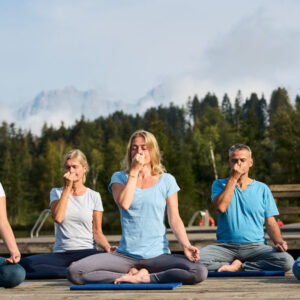
Sit in a position you can hold without strain. If you sit on the floor, a simple cross-legged pose is sufficient. Keep your spine and neck straight, but stay relaxed. Sitting on a cushion can make this easier by letting the thighs soften and the knees drop.

If sitting on the floor is difficult, sit on a comfortable chair. Avoid lying down, because you may become too relaxed and fall asleep.

Rest your hands in a comfortable position so your shoulders relax and your energy feels collected.

Let your breathing guide you

Once you are seated, relax your face, neck, and shoulders to encourage relaxed abdominal breathing. Then begin breathing rhythmically: inhale and exhale evenly (about three seconds each). Let the breath become lighter and quieter.

Simple Breathing Exercise (2 minutes)

  1. Relax shoulders, jaw, and face.
  2. Inhale gently for about three seconds, the abdomen expands.
  3. Exhale gently for about three seconds, the abdomen moves back.
  4. Continue until the breath feels smooth, light, and almost silent.

When mental tension appears, come back to this exercise. Slow, rhythmic breathing while you focus on the breath helps the mind relax – and when the mind relaxes, the body follows.

Mental Meditation Exercises

Be kind to your mind

Once the physical aspect of meditation feels steady, mental meditation begins. The aim is to gather your mental energy and focus the mind – without turning meditation into a battle.

Don’t force your mind to comply

A helpful tip for meditation beginners is to let the mind wander a little at first. Trying to bring your mind under control too quickly can create mental tension (even headaches). Begin gently.

Two Easy Meditation Techniques

Meditation exercise 1: Give the mind space

Start by focusing on your breathing. Then observe what is happening in your mind. Your attitude matters: be patient and compassionate.

Over time, the mind becomes more willing to cooperate and less likely to wander.

How to:

  • Focus on the breath for a minute or two.
  • Then simply notice what the mind is doing.
  • When you get distracted, return calmly to the breath.

Meditation exercise 2: Disassociate (become a witness)

When thoughts arise, observe them objectively as if watching a film. Don’t lose yourself in the story. If you watch for a few minutes in a detached manner, the stream of thoughts begins to quiet down.

How to:

  • Notice the thought.
  • Don’t follow it.
  • Let it pass.
  • Return to your chosen focus. 

These two simple meditation techniques for beginners are ideal as they are simple yet effective in promoting mental tranquility and reducing stress.

Giving a Focus to Your Meditation

After a few minutes of giving your mind space and becoming a witness to your thoughts (see the easy meditation techniques above), choose a focus for your meditation and return to it again and again.

A concentration point 

Focussing on a chakra or energy centre:

  • The heart centre (anahata chakra) is suggested for those who connect easily with others.
  • The mind centre (ajna chakra between the eyebrows) is suggested for analytical types.

A concentration object

You can concentrate on:

  • a symbol such as the sun or sky
  • a positive quality such as love or compassion
  • or a mantra such as OM, repeated mentally in time with the breath

For beginners, the main point isn’t finding the “perfect” object. It’s choosing one that feels natural – and coming back to it steadily.

Nature Visualization (3–5 minutes)

After several minutes of physical meditation, try a simple nature visualization. One example is a rose. You explore the object in detail – color, form, petals, stalk – while leaving aside any personal emotional associations you may have with it.

How-to:

  1. Sit comfortably and breathe rhythmically for a few minutes.
  2. Visualize a rose at your chosen focus point.
  3. Notice details such as the color of the rose, its shape and perfume.
  4. When the mind wants to wander, allow your mind to picture different kinds and colors of roses, think of rose water and rose perfume, and imagine roses as a bouquet, a garland, or in a garden. Hold on to your visualization.

This meditation technique is particularly accessible for beginners due to its ability to provide the mind with a clear and calming focus.

A Simple Daily Meditation Routine (10–20 minutes)

  • 2–5 minutes: posture + rhythmic breathing
  • 2–5 minutes: give the mind space (focus on your breath, then observe the mind)
  • 2–5 minutes: disassociate (witness thoughts like a film)
  • 3–5 minutes: choose one focus (chakra / symbol / quality) and return to it

With regular practice, these exercises quiet the mind, making inner peace easier to access.

The Next Steps in Your Meditation Journey

There are several more advanced methods of meditation you can explore:

Mantra meditation (japa / OM): concentration through steady repetition of a sacred sound.

Tratak (steady gazing): candle gazing followed by inner visualization to strengthen focus.

Positive thinking: cultivating a steadier inner attitude by stepping back and observing thoughts.

Vedanta (including Vedantic meditation): reflective inquiry that supports meditation through clear understanding of the Self.

In Short: Keep it Simple, Keep it Steady

For beginners, the most important thing is not the intensity of your meditation practice – it’s the regularity.

Choose a quiet place, pick a steady time, sit comfortably, breathe rhythmically, then practice giving the mind space, witnessing your thoughts, and returning to your focus.

With patience you’ll feel the mind settle – growing calmer, clearer, and more peaceful with time.

This site is registered on wpml.org as a development site. Switch to a production site key to remove this banner.