Meditation
Home > Meditation
Discover the Peace Within
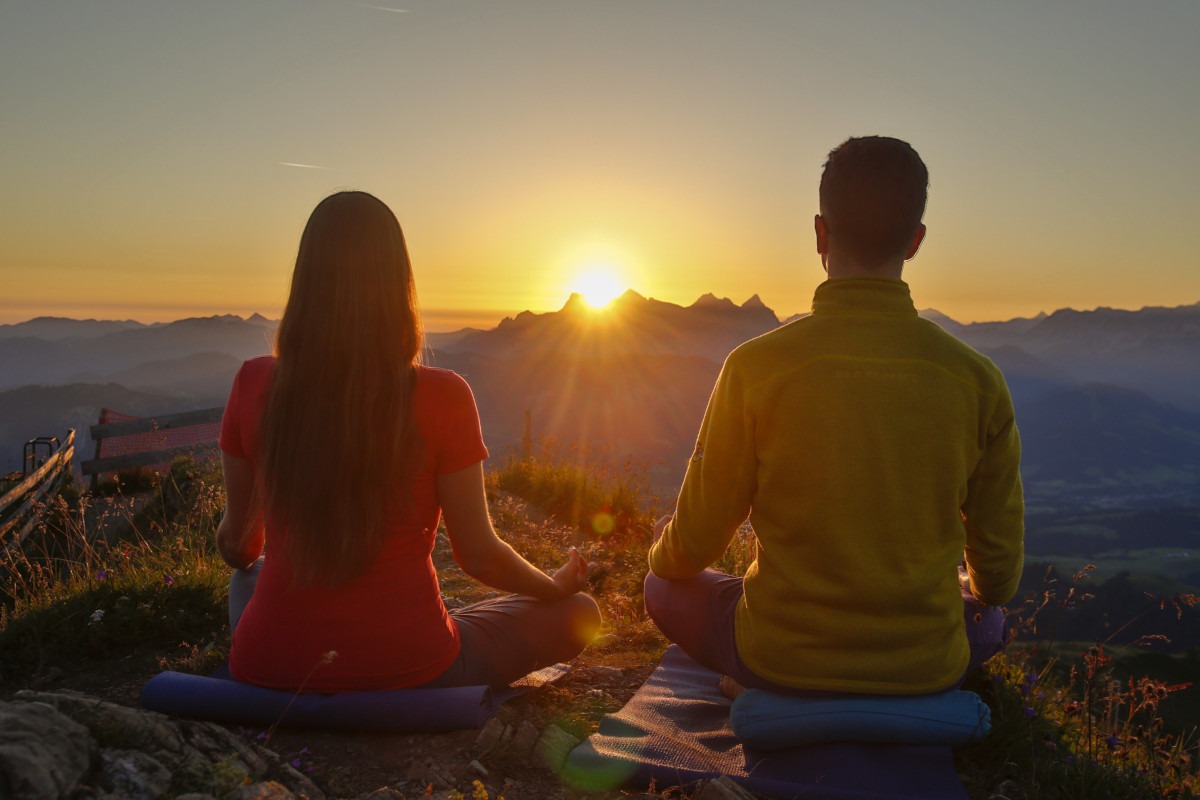
Meditation leads the mind from restlessness to concentration, from concentration to stillness, and from stillness to the experience of inner peace.
Whether you are completely new to meditation or wish to deepen an established practice, these teachings and practices can help you turn your attention inward and discover the quiet awareness that is always present beneath the movement of thought.
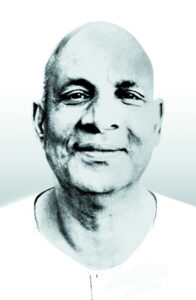
Feel the silence, hear the silence, touch and taste the silence. Silence is the music of your soul.
Swami Vishnudevananda
Meditation is the practice of gently training the mind to become calm, focused and aware.
Most of the time, the mind moves quickly from one thought to another. In meditation, we choose one simple point of focus – such as the breath, a mantra like OM, or an uplifting image – and keep bringing our attention back to it.
Meditation does not mean forcing the mind to become blank. Thoughts will still arise. The practice is to notice them without getting carried away, then return calmly to the chosen focus.
With regular practice, concentration becomes steadier and the mind grows quieter. This can help us experience greater clarity, inner peace and awareness. In Raja Yoga – the yogic path of controlling and calming the body and mind through practices such as posture, breathing, concentration and meditation – concentration is called dharana; when concentration becomes continuous and uninterrupted, it develops into meditation, or dhyana.
The mind is similar to a lake with thought waves moving over its surface. In order to recognise the Self at the bottom of the lake, it is necessary to first still these thought waves. Each human being has an inner treasure of silence, which only manifests itself when the movement of the mind comes to a stop.
The mind is often compared to a lake. When its surface is disturbed by waves, we cannot see what lies beneath. When the waves become still, the depths are revealed.
Meditation calms and focuses the mind. It helps us become more aware of our thoughts rather than being carried away by them. With regular practice, we can encourage thoughts of courage, patience, love and contentment, while weakening patterns that create fear, anger or restlessness.
The purpose reaches beyond temporary relaxation. Meditation guides the attention towards the source of peace and happiness within. In Vedantic meditation, this inward enquiry ultimately leads beyond identification with the body and mind towards knowledge of our true nature as pure consciousness.
Calms and focuses the mind
Helps you step back from restless thoughts
Improves concentration and mental clarity
Develops courage, patience, love and contentment
Reduces habits of fear, anger and worry
Supports mental, physical and spiritual well-being
Helps you move beyond temporary relaxation towards deeper inner peace
Increases awareness of your true nature
Learning how to meditate begins with simple, practical steps:
This meditation guide for how to start meditating will serve you well as you establish your practice.

Learn how to prepare your meditation space, choose a comfortable posture and work with the breath, a concentration point or a spiritual symbol.
Meditation is a personal inward practice, but practising regularly with others can provide structure, encouragement and inspiration.
At Sivananda Yoga city and retreat centres, group meditation often forms part of satsang: a gathering that combines silent meditation, devotional chanting and an inspiring talk or reading. Retreat programmes commonly begin and end the day in this way.

Meditate from home as part of an international spiritual community.

Find your nearest Sivananda Yoga Vedanta Centre and join the free weekly group meditation sessions.

The Sivananda Yoga Centres offer meditation courses providing systematic guidance in posture, breathing, concentration, mantra and the development of a regular home practice.
A yoga and meditation retreat gives you the opportunity to step away from habitual distractions and enter a daily rhythm designed to support meditation.
At a Sivananda retreat centre, meditation is integrated with asana, pranayama, deep relaxation, vegetarian food, chanting and spiritual teachings. The physical practice prepares the body for stillness, breathing steadies the energy, and the retreat environment supports a more sustained inward focus.
Typical retreat programmes include morning and evening meditation (satsang), yoga classes and leisure time for quiet walks in nature.
The gradual progress in physical and mental well-being that comes when you meditate is mostly silent and unseen, like the quiet unfolding of a bud into a flower in the hours of the night. Try not to set up expectations or goals for change as this may well discourage you if you feel you do not reach them within a certain time. Changes occur at deep and subtle levels and only gradually will they reveal themselves either to you or to the outside world.
Of course, there are no objective tests to measure your progress in meditation. However there are universal indicators that all those who meditate on a regular basis will experience sooner or later. …