Meditation Tips
Home > Meditation > Techniques > 12 Steps to Meditation
These twelve steps outline a simple, progressive approach to meditation in the Sivananda tradition. By choosing a regular time and quiet place, sitting with an upright spine, and gently regulating the breath, you prepare the mind for concentration.
You then learn to let thoughts settle naturally and focus awareness at a chosen inner point, such as the Ajna or Anahata Chakra.
With steady practice, meditation deepens from focused thought to inner stillness, ultimately leading toward Samadhi.
Like sleep, meditation cannot be learned. When the time is ripe, it will happen on its own. Using the classical meditation techniques, however, can help you make quick progress.

Set aside a special place for meditation – the atmosphere you build up will help still the mind.

Choose a time when your mind is free of everyday concerns – dawn and dusk are ideal.

Using the same time and place each day conditions the mind to slow down more quickly.

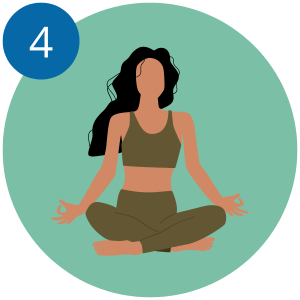
Sit with your back, neck and head in a straight line, facing north or east.

Instruct your mind to remain quiet for the duration of your meditation session.

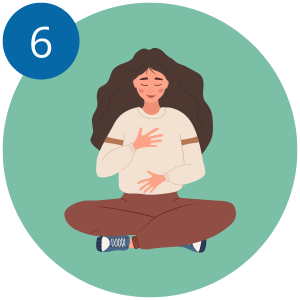
Regulate your breathing – start with five minutes' deep breathing, then slow it down.

Establish a rhythmic breathing pattern – inhaling then exhaling for about three seconds.

At first let your mind wander – it will only grow more restless if you force it to concentrate.

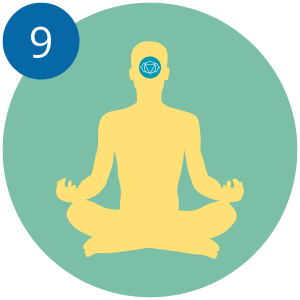
Now bring the mind to rest on the focal point of your choice – either the Ajna Chakra (the point between your eyebrows) or the Anahata Chakra (in the middle of your chest).

Applying your chosen technique, hold your object of concentration at this focal point throughout your session.

Meditation comes when you reach a state of pure thought, but still retain your awareness of duality.

After long practice, duality disappears and Samadhi, the superconscious state, is attained.